The Critical Role and Application of Idler Gears in Precision Gear Hobbing
author: Cash
2026-06-10
Gearseiko Deep Dive: The Critical Role and Application of Idler Gears in Precision Gear Hobbing | Gearseiko
In high-end precision gear manufacturing, every small transmission component exerts a direct influence on the final accuracy, service life and operational stability of finished products. As a professional manufacturer dedicated to premium precision gears, Gearseiko devotes efforts to analyzing and optimizing every technical detail throughout gear machining. Today we focus on idler gears — a seemingly basic yet vital part — to illustrate its core functions in gear hobbing. See how Gearseiko leverages in-depth mastery of such key technologies to deliver superior gear solutions for clients worldwide.
What is an Idler Gear?
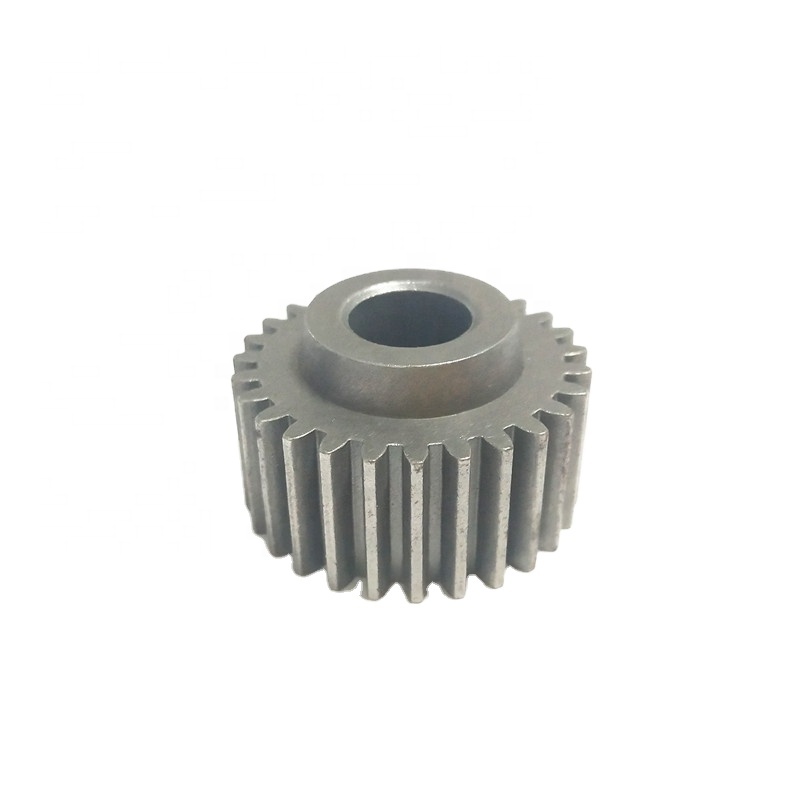
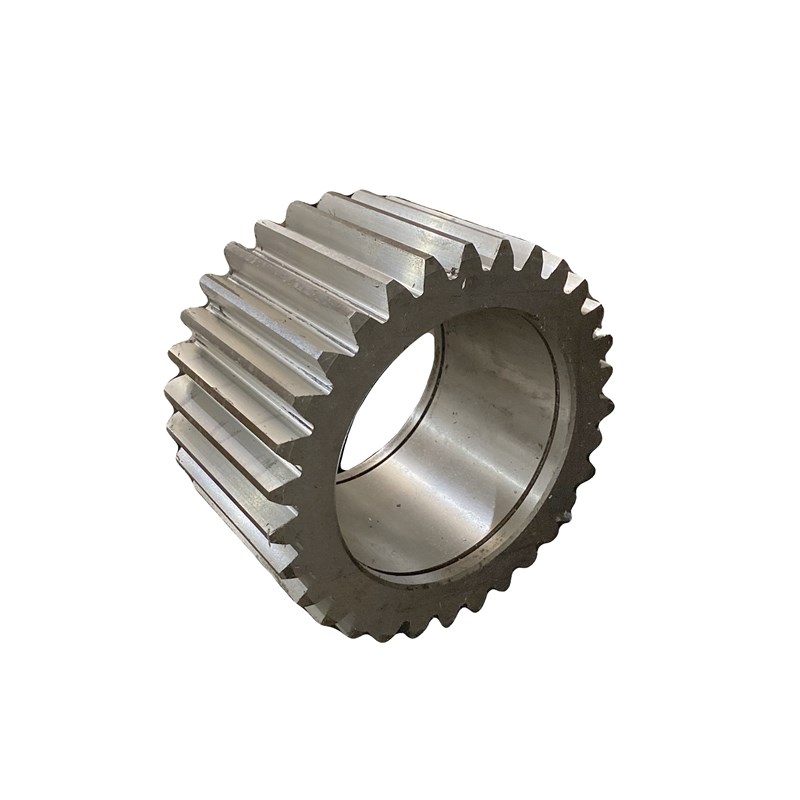
An idler gear, also referred to as intermediate gear or cluster gear, is installed between two separated driving gears to reverse the rotation direction of the driven part. Its defining feature is changing rotation direction without altering the overall transmission ratio. Thanks to this property, idler gears are indispensable components in the change gear sets of all types of gear hobbing machines.
Applications of Idler Gears in Four Core Change Gear Systems of Hobbing Machines
During hobbing operations, four groups of change gears — indexing gears, speed gears, vertical feed gears and differential gears — need to be configured properly according to workpiece type, hob helix direction and machining requirements. Drawing on rich practical experience, Gearseiko’s process team has fully mastered the direction control rules of idler gears applied in each gear train.
1. Idler Gears in Indexing Change Gear Train: Ensure Accurate Helical Matching Between Hob and Workpiece
The indexing drive train maintains a strict kinematic linkage between the hob and workpiece, just like a pair of meshing helical gears. Idler gears here control the correct rotation direction:
- When using a right-hand hob, the workpiece rotates counter-clockwise (viewed from the top).
- When using a left-hand hob, the workpiece rotates clockwise.
Operators can add or remove idler gears freely to meet directional demands, while keeping the indexing gear ratio unchanged. This guarantees precise tooth profile machining.

2. Idler Gears in Speed Change Gear Train: Reverse Hob Rotation
Speed change gears determine the rotational speed of the hob spindle. Installing an idler gear in this drive train enables quick reversal of the hob’s rotation direction, adapting to diverse cutting strategies and tool characteristics. All high-end hobbing machines at Gearseiko are equipped with reserved positions for idler gears in the speed gear train, enabling simple and reliable direction switching.
3. Idler Gears in Vertical Feed Change Gear Train: Switch Between Climb Hobbing and Conventional Hobbing
Vertical feed controls the axial movement direction of the hob along the workpiece. Idler gears reverse the feed direction, allowing seamless switching between two mainstream hobbing modes:
- Climb hobbing: Hob rotation aligns with feed direction, delivering smoother surface finish.
- Conventional hobbing: Hob rotation runs opposite to feed direction, offering better stability for heavy cutting.
Gearseiko configures idler gears accurately based on actual production needs to optimize feed schemes.
4. Idler Gears in Differential Change Gear Train: Control Auxiliary Motion Precisely
The differential drive train generates extra rotary motion for helical gear machining, making the workpiece rotate slightly faster or slower than the standard indexing movement. Idler gears decide the direction of this auxiliary motion:
- Right-hand hob for right-hand helical gear: Additive motion, workpiece rotates in the same direction as indexing movement.
- Right-hand hob for left-hand helical gear: Subtractive motion, workpiece rotates opposite to indexing movement.
The rules are reversed when using a left-hand hob: subtractive motion for right-hand helical gears, and additive motion for left-hand helical gears.
Correct selection of differential idler gears is decisive for helix angle accuracy. Gearseiko formulates standard configuration tables covering all combinations of hob and workpiece helix directions, to ensure 100% accurate auxiliary motion for every helical gear.
Rigorous Dry-Run Inspection Procedure
After finishing the setup for indexing, feed and spindle rotation directions, we never start formal machining directly. Following internal standards, we conduct a no-load dry-run test first: run the machine without workpieces to check if the actual movement direction of all transmission components complies with design requirements. Mass production starts only after the dry-run passes. This simple but essential step effectively prevents batch defects and secures consistent gear precision.

Gearseiko’s Commitment: Tap Full Potential of Idler Gears
Although idler gears feature simple structures, their proper application reflects a manufacturer’s profound process capability and professional know-how. Gearseiko always takes precision manufacturing as the foundation and process technology as core competitiveness. We produce high-end gears compliant with strict DIN, JIS and AGMA precision standards, and provide clients with comprehensive technical support — including machining parameter optimization, change gear matching and idler gear direction selection.
We deliver high-efficiency, high-precision and highly consistent transmission solutions for standard spur gears, complex helical gears and special tooth profile gears that require sophisticated auxiliary motion, all supported by accurate idler gear layout and drive train design.
If you are looking for a partner that excels at every tiny detail of gear machining down to idler gear application, please feel free to contact Gearseiko. Let us jointly create a brighter future for precision transmission.
Gearseiko – Process depth forged into gear excellence.
FAQ | Idler Gear Application in Gear Hobbing
Q1: What is the main function of an idler gear?
A1: It reverses rotation direction while keeping the transmission ratio unchanged, widely used in hobbing machine change gear trains.
Q2: What is the role of idler gears in the indexing gear train?
A2: It adjusts the workpiece rotation direction to match the hob’s helix direction and ensure accurate tooth profile.
Q3: How to distinguish climb hobbing from conventional hobbing?
A3: Climb hobbing means hob rotation and feed direction are the same; conventional hobbing means the two directions are opposite.
Q4: Why is the differential idler gear so important for helical gear machining?
A4: It controls the direction of auxiliary motion and directly determines the machining accuracy of helix angle.
Q5: What is the purpose of dry-run verification before production?
A5: To check movement directions and avoid batch defective products caused by wrong gear configuration.
Installation and Adjustment of Change Gears and Idler Gears
How to Choose Cutting Parameters Scientifically? Insights from Gearseiko
Related Article