How Gearseiko Redefines Tooth Surface Accuracy with Four Types of Gear Shaping Machines
author: Cash
2026-05-27
Precision Gear Shaping Empowers High-End Gear Manufacturing: How Gearseiko Redefines Tooth Surface Accuracy with Four Types of Gear Shaping Machines | Gearseiko
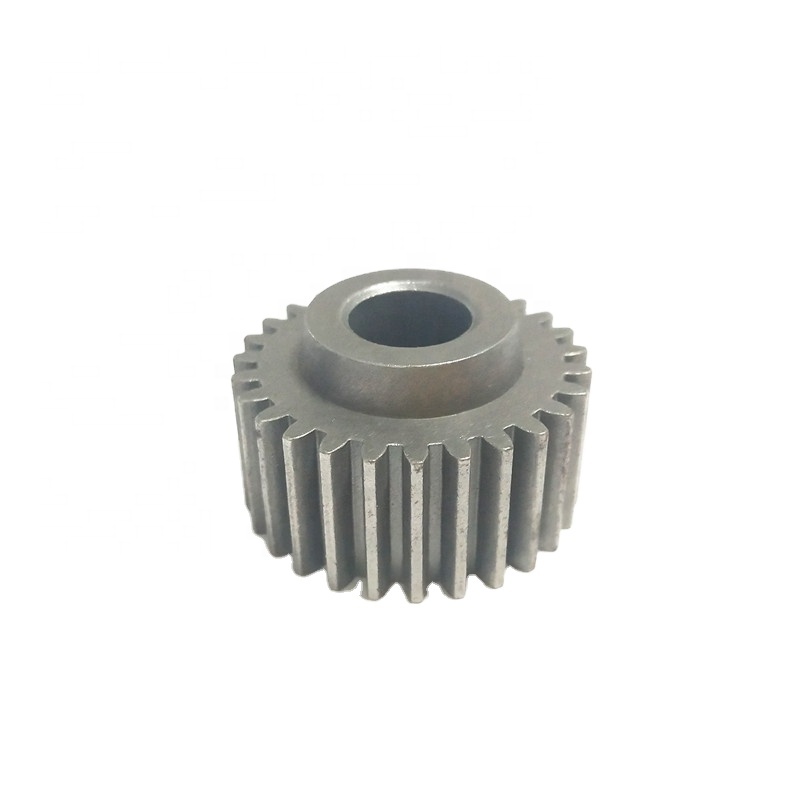
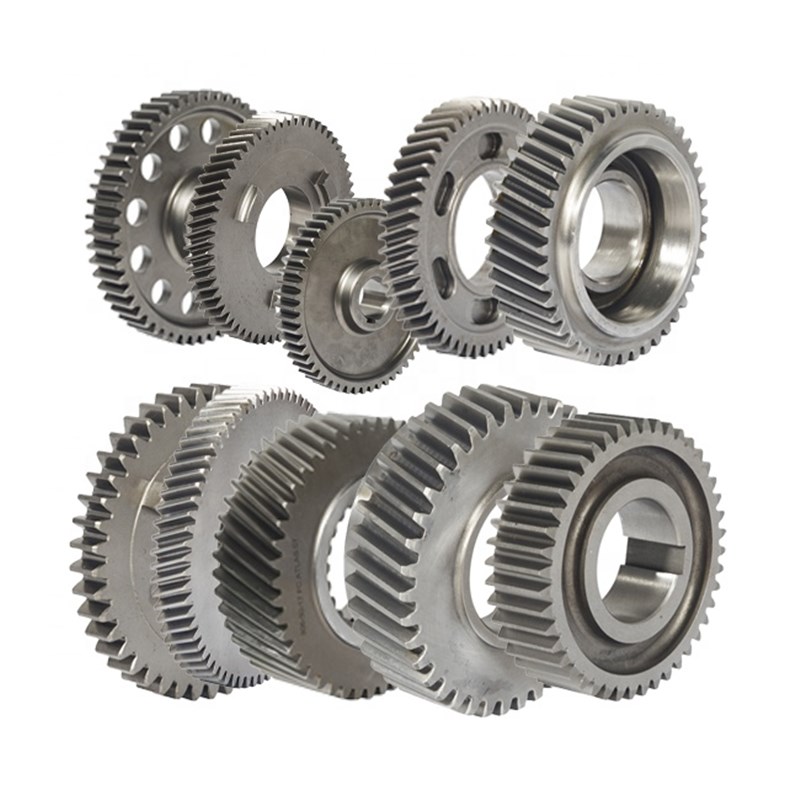
In modern high-precision mechanical transmission systems, the overall precision of gears directly determines equipment operating performance, noise generation, and long-term service life. For processing complex special-shaped tooth components, including internal gears, external gears, gear racks, and sector gears, the gear shaping process based on the generating cutting method boasts irreplaceable technical advantages. As a professional manufacturer focusing on high-end precision gear production, Gearseiko deeply optimizes core gear shaping technology and develops targeted processing solutions for diverse complex tooth geometries. This article systematically introduces four mainstream types of gear shaping machines and their industrial application scenarios, illustrating how Gearseiko achieves ultra-high tooth surface accuracy, stable batch consistency and efficient mass production in precision gear machining. Discover reliable precision gear shaping solutions and customized gear manufacturing services at Gearseiko.
Core Principle of Gear Shaping: Generating Cutting for Standardized Precision Tooth Profiles
Gear shaping is a mainstream precision finishing process relying on the gear generating method. The gear shaping cutter and gear workpiece simulate the meshing motion of a pair of standard gears. Through continuous vertical reciprocating cutting motion and synchronous indexing rotation, the equipment gradually cuts out complete, standard tooth slots and tooth profiles.
This processing method requires extremely high profile precision of the shaping cutter, yet it delivers superior tooth surface finish and outstanding control of accumulated pitch errors. All gear shaping equipment in the Gearseiko factory is equipped with high-rigidity spindle systems and real-time dynamic compensation technology. Every single cutting stroke strictly follows the theoretical involute trajectory, effectively eliminating machining deviations and laying a solid foundation for high-standard precision gear forming.
Four Types of Gear Shaping Machines & Gearseiko’s Customized Industrial Applications
Based on different workpiece structural features, geometric dimensions and spindle layout modes, gear shaping machines are classified into four core types. Gearseiko has developed exclusive standardized process packages for each equipment model to adapt to differentiated production demands of special gears.
1. Rack Gear Shaping Machines – High-Precision Machining for Long-Stroke Gear Racks
A gear rack can be regarded as a special gear with an infinite pitch radius, and its core machining difficulty lies in maintaining stable dynamic accuracy during long-distance linear cutting strokes. Gearseiko’s professional rack gear shaping machines adopt guideway cascade compensation technology and adjustable tool inclination structure, realizing continuous and precise forming of long rack tooth flanks.
Our factory produces high-precision gear racks with modules ranging from 1 to 8 and a maximum processing length of 2000mm. The pitch error is strictly controlled within ±0.005 mm/m. These high-quality racks are widely applied in automation guide systems, laser cutting machine beams, precision linear transmission equipment and other scenarios, featuring ultra-high stability and positioning accuracy.
2. Sector Gear Shaping Machines – Professional Forming for Non-Full-Ring Gears
Sector gears are special incomplete gears with toothed segments only covering partial circumferential surfaces, which are extensively used in automotive steering systems and construction machinery slewing transmission structures. Traditional gear hobbing machines cannot process such non-full-ring gear structures, while Gearseiko’s sector gear shaping machines adopt CNC precision swing tables and intelligent stroke limit logic to accurately control cutter motion, realizing targeted cutting of only toothed areas.
Gearseiko supports complete rough and finish shaping processing for sector gears after carburizing and quenching (hardness up to 58–62 HRC). The integrated shaping process avoids secondary clamping errors caused by subsequent gear grinding, ensuring overall dimensional accuracy and tooth surface consistency of high-hardness sector gears.

3. Horizontal Gear Shaping Machines – Preferred Equipment for Large Shaft Gears & Internal Gears
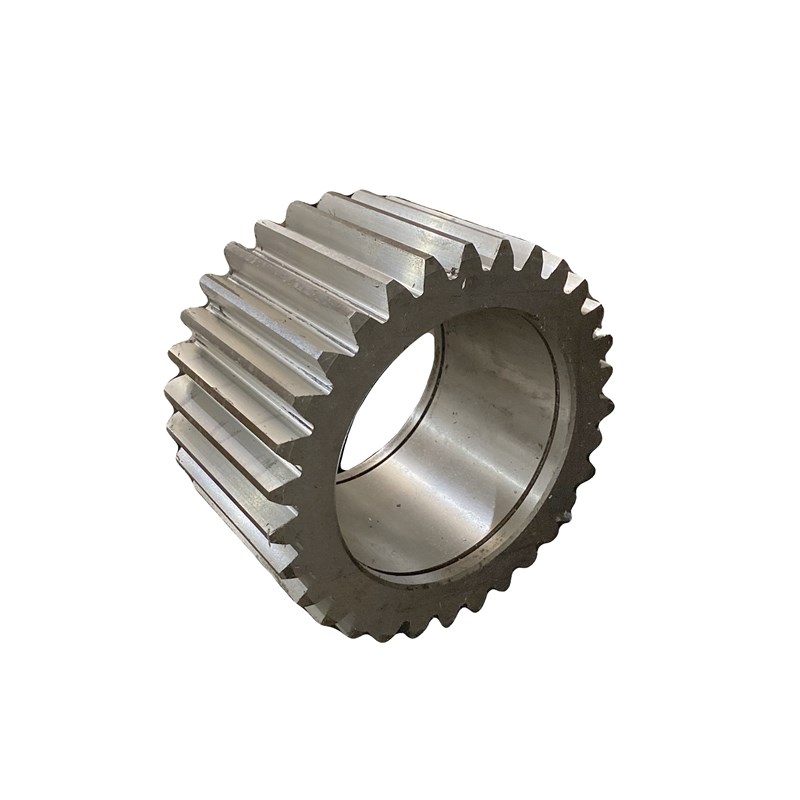
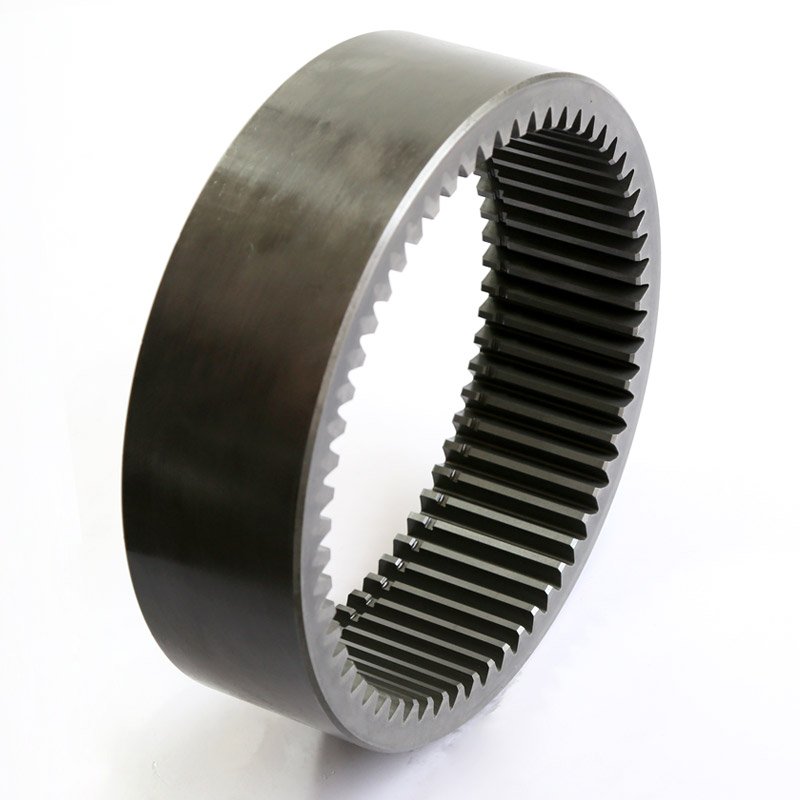
Traditional vertical gear shaping machines are only suitable for conventional disc-shaped gears. For long shaft gears with a length-to-diameter ratio greater than 2 and large-diameter internal ring gears, Gearseiko’s horizontal gear shaping machines adopt a horizontal spindle layout. Equipped with hydraulic balanced tailstock axial clamping structure, the equipment thoroughly eliminates workpiece overhang deflection and machining deformation.
This series of equipment is mainly used for processing transmission dual sliding gears and planetary reducer internal ring gears. The finished products stably reach ISO 1328‑1 Grade 6 face squareness precision, meeting the strict assembly and transmission requirements of high-end industrial transmission equipment.
4. Universal Rack Gear Shaping Machines – Dual-Purpose Processing for Straight & Helical Racks
Different from ordinary rack shaping equipment, Gearseiko’s universal rack gear shaping machines are equipped with optional helical guide mechanisms on the tool spindle. The structure can superimpose circumferential phase rotation on the basis of reciprocating cutting motion, realizing precise forming of helical racks with helix angle β. The equipment supports a wide helix angle range of ±30°.
By replacing guide cams or adopting servo synchronous driving technology, the machine can quickly switch between straight rack and helical rack processing modes. It is widely used for manufacturing high-precision linear drive components, including medical imaging equipment translation platforms and robot seventh-axis ground guide rails, delivering high-efficiency and high-precision mixed production capabilities.
Gearseiko’s Core Advantages: Full-Chain Process Integration & Precision Control
High-precision gear manufacturing relies not only on advanced equipment, but also on deep coupling of equipment performance and mature processing technology. Gearseiko has built a complete gear shaping process data platform to realize full-link precision control from tool calibration to finished product delivery.
Professional Tool Management System: Every gear shaping cutter is inspected and calibrated by a 3D optical profiler. The actual cutting edge profile is compared with the theoretical involute for targeted fine modification, eliminating tool inherent errors in advance.
Optimized Three-Pass Cutting Strategy: Aiming at the easy-deformation problem of internal gear shaping, we adopt a scientific three-stage processing scheme including rough shaping, semi-finish shaping and finish shaping. Each working procedure reasonably reduces the cutting allowance by 50%, effectively avoiding cutting deformation and tool impact.
Real-Time In-Process Compensation: The equipment is equipped with acoustic emission sensors to monitor real-time tool wear status. The system automatically adjusts radial infeed parameters to ensure stable batch production with a CPk value above 1.33, realizing high-consistency mass production.
Why Global Industrial Customers Trust Gearseiko’s Gear Shaping Services
Strict Precision Commitment: All shaped gears stably reach DIN 7 / ISO 1328-7 precision grade, with internal gear over-pin span tolerance controlled within ±0.008 mm, meeting high-end industrial precision standards.
Strong Material Adaptability: Mature and stable shaping processes are applicable to multiple mainstream materials, covering 20CrMnTi carburizing steel, 42CrMo quenched and tempered steel and other mechanical gear steel materials.
Reliable Mass Delivery Capacity: The factory is equipped with 12 professional gear shaping machines, including 4 horizontal gear shapers and 2 universal rack gear shapers, with a maximum daily output of over 8,000 standard shaped gear teeth.
Professional Collaborative Design Service: We provide exclusive “Design for Shaping” technical services, assisting customers in optimizing gear root fillets and undercut dimensions, effectively avoiding cutter interference risks and improving product yield and processing rationality.
Conclusion
Compared with gear hobbing and gear milling, gear shaping technology has irreplaceable unique advantages in the batch production of gear racks, sector gears, large shaft gears and helical racks. As a comprehensive precision gear manufacturer, Gearseiko owns all four types of mainstream gear shaping equipment and mature supporting processes. We fully convert equipment precision advantages into stable transmission efficiency and extended service life for customer products.
If you are looking for a reliable supplier capable of high-precision and high-volume production of special shaped gears, welcome to contact the Gearseiko technical team. We provide professional process evaluation, customized solutions and sample trial production support to create high-quality precision transmission components for your projects.
Gearseiko – Precision in Shaping, Stability in Transmission.
(All content is based on actual factory process parameters and internal test reports.)
FAQ: Precision Gear Shaping Technology & Shaping Machines
Q1: What is the working principle of gear shaping?
A1: Gear shaping adopts the gear generating method. The shaping cutter and workpiece simulate gear meshing motion, and complete precise tooth profile cutting through reciprocating cutting and synchronous indexing rotation, with high precision in pitch and tooth surface finish.
Q2: What are the four types of Gearseiko gear shaping machines?
A2: Rack gear shaping machines, sector gear shaping machines, horizontal gear shaping machines, and universal rack gear shaping machines, each for different special gear processing scenarios.
Q3: What are the advantages of sector gear shaping machines?
A3: It can precisely process non-full-ring sector gears that hobbing machines cannot handle, supports high-hardness gear shaping after quenching, and avoids secondary clamping errors for higher precision.
Q4: What scenarios are horizontal gear shaping machines suitable for?
A4: It is specially designed for long shaft gears with large length-diameter ratio and large internal ring gears, eliminating workpiece deflection and ensuring ISO Grade 6 high precision.
Q5: What precision standard can Gearseiko’s shaped gears reach?
A5: Finished gears stably meet DIN 7 / ISO 1328-7 precision grade, with internal gear tolerance within ±0.008 mm and batch stability CPk ≥ 1.33.
How Gearseiko Spline Shaft Milling Machines Reshape Transmission Efficiency
How Gearseiko Improves Hard Gear Finishing Accuracy
Related Article