Gearseiko Drives Heavy Duty Core Transmission with Precision Craftsmanship
author: Cash
2026-06-21
Large Module Gear Hobbing: Gearseiko Drives Heavy-Duty Core Transmission with Precision Craftsmanship | Gearseiko
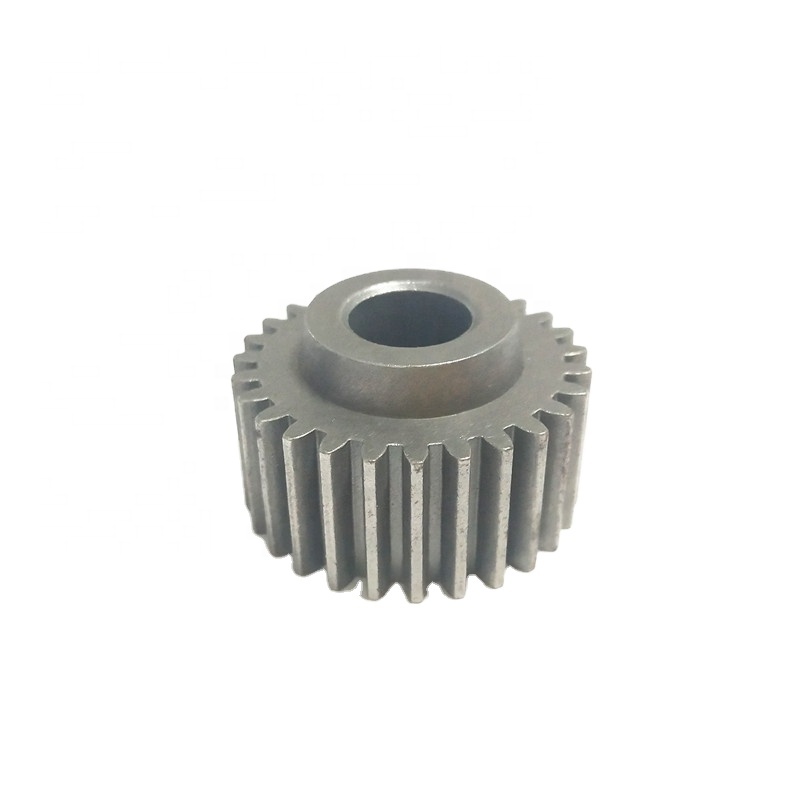
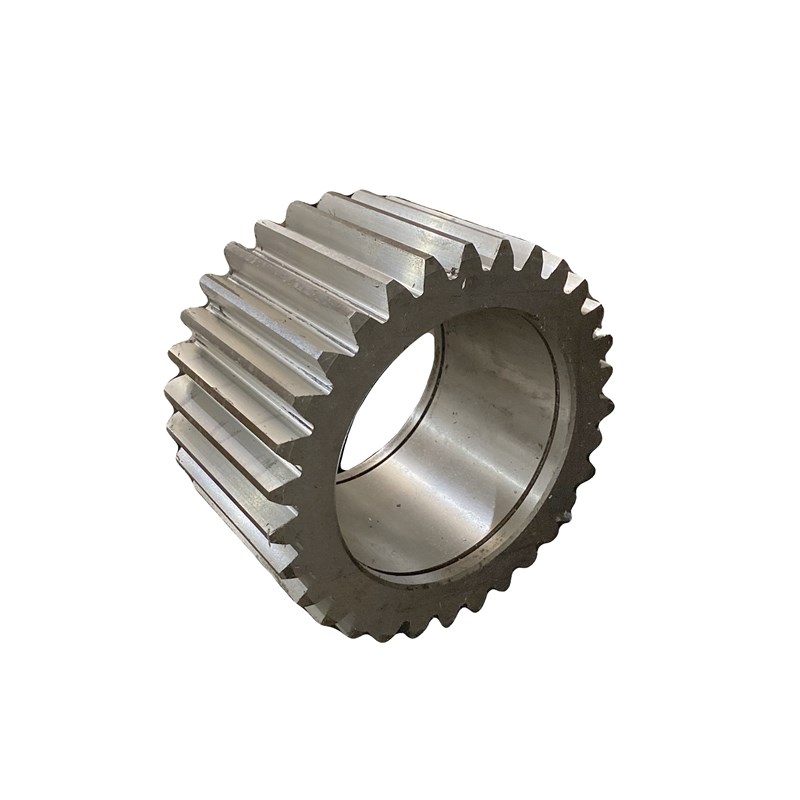
Large module gears (module ≥10mm) are core load-bearing transmission components for heavy-duty industrial equipment, characterised by thick tooth profiles, ultra-high torque resistance and outstanding structural stability. They are irreplaceable in low-speed, heavy-load working scenarios including wind power gearboxes, marine main propulsion systems, mining crushing machinery, metallurgical rolling equipment and large construction machinery. Different from small and medium-sized precision gears, large module gears feature oversized workpiece size and heavy single-piece weight up to several tons, putting forward extremely strict requirements for machine rigidity, cutting process stability and full-process dimensional control. Relying on high-rigidity CNC machining equipment, mature heavy-cutting process parameters and decades of large gear manufacturing experience, Gearseiko optimises mainstream hobbing and milling processes for large module gears, providing high-stability, long-service-life heavy-duty gear components for global industrial transmission projects.
1. CNC Hobbing: Preferred Mainstream Process for Large Module External Gears
Two mainstream machining technologies are widely adopted for large module cylindrical external gears: gear hobbing and gear milling. In actual mass production, CNC gear hobbing is the optimal process for rough cutting and semi-finish cutting, balancing high machining efficiency and stable tooth profile accuracy perfectly.
The hobbing process adopts continuous generating cutting mode: the hob rotates at a constant speed while the workpiece performs synchronous linkage rotation, completing integral tooth profile forming in one continuous cutting stroke. Compared with intermittent indexing milling, it avoids repeated positioning errors and greatly shortens overall processing cycle. Equipped with advanced CNC linkage control system, modern heavy-duty hobbing machines support flexible parameter matching, covering gear modules ranging from 1mm to 50mm and tooth counts from 5 to 1000. Compared with conventional mechanical hobbing equipment, CNC models cut single-piece processing time by nearly 30% while maintaining consistent precision in heavy cutting conditions.
To adapt to violent cutting impact during large module gear machining, Gearseiko is equipped with full series of high-rigidity CNC hobbing machines fitted with backlash-free transmission systems and high-torque main spindles. The whole machine structure resists cutting vibration effectively, eliminating tooth profile burrs and dimensional deviation caused by heavy-load vibration. We provide one-stop full-process hobbing service including blank pre-machining, rough hobbing and finish hobbing for both large module spur gears and helical gears, matching exclusive cutting parameters according to actual load demands of customers’ equipment.
2. Finger-Type Milling Cutter: Flexible Supplementary Process for Ultra-Large Module Gears
Limited by the maximum tool installation space and spindle stroke of standard hobbing machines, conventional hobbing cannot process ultra-large module gears above 20mm and special herringbone gears. Under such working conditions, finger-type milling cutting becomes the most reliable complementary forming process.
Finger-type milling belongs to single-tooth intermittent indexing cutting. The finger-shaped milling cutter rotates independently, and the workpiece indexes accurately to finish cutting tooth spaces one by one, which is similar to disc gear milling in processing logic. This process breaks through the tool size limitation of hobbing machines and adapts to oversized gear workpieces with extra-large modules.
Nevertheless, finger milling has inherent technical limitations in practical production:
-
Custom large-module finger cutters have high manufacturing difficulty, high production cost and long procurement lead time
-
As a forming cutting process, its tooth profile accuracy is restricted by workpiece tooth count, with lower precision compared to generating hobbing
Therefore, finger-type milling is more suitable for single-piece trial production and small-batch orders with loose tolerance requirements. Gearseiko’s engineering team will comprehensively evaluate gear module, batch quantity, precision tolerance and application load firstly, then recommend the most cost-effective machining route (hobbing or finger milling) to balance production efficiency, product accuracy and overall manufacturing cost for clients.
3. Process Innovation: Breakthrough Machining Solution for Large Internal Ring Gears
Large internal ring gears are key matching parts of heavy-duty reduction gearboxes, yet their machining has long been an industry-wide technical pain point. Traditional production relies on gear shaping machines, but the stroke and workpiece bearing capacity of standard gear shapers cannot satisfy oversized internal ring gear processing demands. Although vertical hobbing machines equipped with finger cutters can realise alternative processing, the long overhang of milling cutters brings obvious vibration, resulting in unstable tooth pitch accuracy and poor meshing performance.
Gearseiko keeps track of cutting-edge gear manufacturing technologies and adopts an innovative worm hob vertical hobbing process for large internal ring gears. By developing special auxiliary positioning fixtures and customized worm-type hobs, our workshop realises continuous generating hobbing for internal gears.
This innovative process combines the high efficiency of traditional external gear hobbing and the processing adaptability of internal gear cutting, solving the precision bottleneck of finger milling and the size limitation of gear shaping. It effectively shortens production cycle of large internal ring gears and optimizes internal tooth profile and pitch accuracy, improving overall meshing smoothness and fatigue resistance of heavy-duty gearboxes. At present, Gearseiko has completed process verification and batch production application of this technology, providing high-precision internal ring gear supporting solutions for wind power and mining reduction equipment.

4. Gearseiko Full-Process Quality Control for Large Module Gears
Large module gear manufacturing is a systematic project covering blank forging, rough machining, heat treatment, finish cutting and precision inspection. Every process link will affect the final bearing capacity, wear resistance and service life of heavy-duty gears. Gearseiko implements strict ISO standard full-process quality management system for all large module gear products:
-
Raw material incoming inspection: Conduct chemical composition and mechanical performance detection for gear steel blanks to ensure raw materials meet heavy-load impact resistance requirements
-
Process parameter optimization: Match exclusive cutting speed, feed rate and tool wear compensation parameters aiming at heavy cutting characteristics of large module gears
-
Precision heat treatment: Adopt integral quenching and tempering plus tooth surface high-frequency quenching to improve tooth surface hardness and contact fatigue resistance
-
Full dimension offline detection: Detect tooth profile error, cumulative pitch error, runout and hardness one by one before delivery
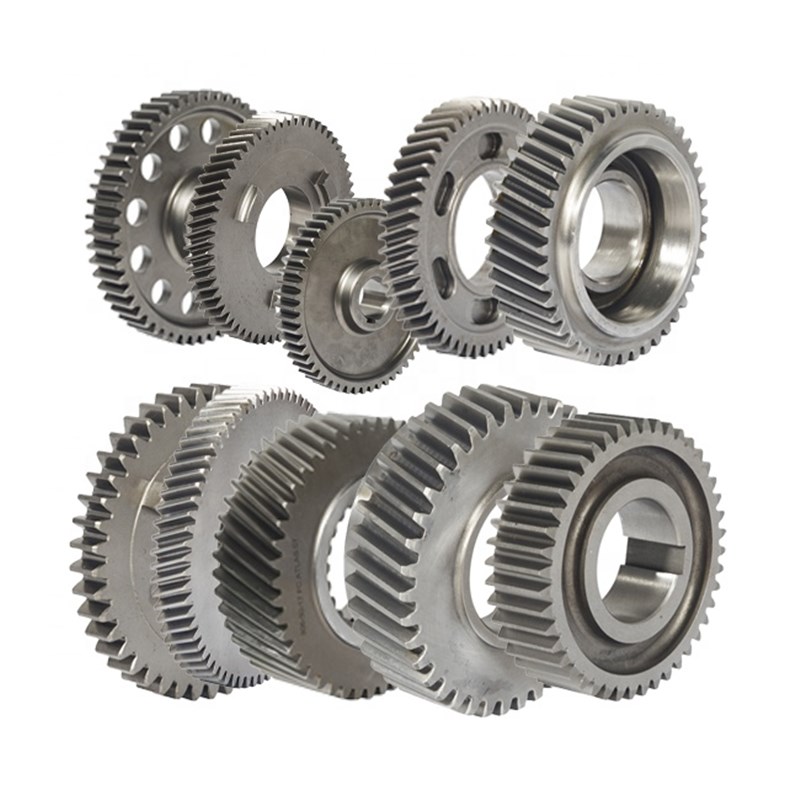
Beyond standard large module external gears and customized internal ring gears, Gearseiko also provides supporting non-standard racks, worm gears and sprockets for heavy-duty transmission equipment. Supported by independent R&D team, complete processing equipment chain and full-inspection quality system, we deliver durable and high-precision gear components for harsh working conditions including high dust, heavy impact and continuous operation.
Conclusion
For large module gear manufacturing, hobbing is the core high-efficiency process for mass production of external gears, while finger milling acts as a flexible supplement for ultra-large module gears. The innovative worm hob hobbing process further breaks the precision bottleneck of large internal ring gear machining. Mature equipment matching, optimized cutting parameters and strict full-process quality control are the core guarantees for qualified heavy-duty gears.
Gearseiko provides one-stop services including process scheme design, prototype trial production, batch manufacturing and precision testing for all types of large module gears. We support ODM and OEM customized production, and also supply high-precision gear prototypes and mirror rotary EDM services. Choose Gearseiko for reliable heavy-duty transmission gear solutions to empower your industrial equipment with stable and long-lasting power output.
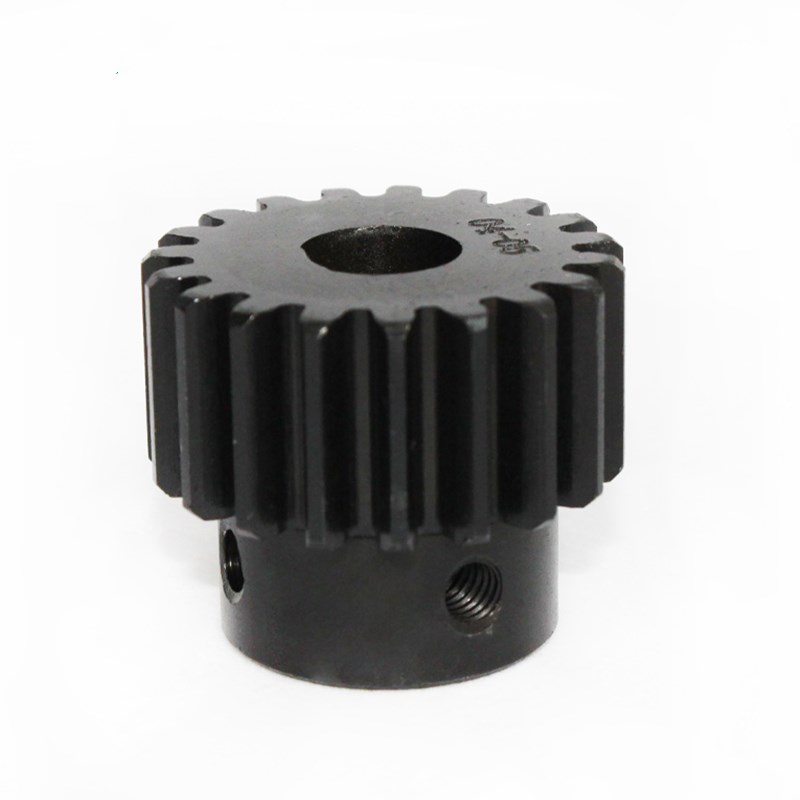
Optimized hobbing processes deliver high-precision large module gears for harsh heavy-duty transmission scenarios.
FAQ | Large Module Gear Hobbing & Machining Process
Q1: What is the definition of large module gears?
A1: Gears with module larger than 10mm are defined as large module gears, which are mainly used for low-speed, high-torque heavy-duty transmission equipment.
Q2: Why is hobbing the first choice for large module external gears?
A2: Continuous generating hobbing has higher processing efficiency and better tooth profile consistency than intermittent milling, with fewer positioning errors and stable precision suitable for mass production.
Q3: When should finger-type milling be adopted instead of hobbing?
A3: It is applicable to ultra-large module gears over 20mm and herringbone gears beyond hobbing machine tool installation limit, especially for single-piece and small-batch orders.
Q4: What are the disadvantages of traditional large internal ring gear machining?
A4: Gear shaping is limited by workpiece size; finger milling has obvious cutting vibration leading to poor tooth pitch accuracy, both restricting product performance.
Q5: What advantages does worm hob hobbing bring to internal ring gear processing?
A5: It realizes continuous generating cutting for internal gears, retaining high efficiency of hobbing process while improving tooth profile and pitch accuracy greatly.
Q6: What customized gear services can Gearseiko provide?
A6: We provide custom large module gears, standard precision gears, gear prototypes and mirror rotary EDM services, supporting ODM and OEM production for various industrial transmission scenarios.
Key Technical Insights into Precision Hobbing of Large Module Gears
Key Considerations in Hobbing Large Prime Number Cylindrical Gears Precision Practices for Superior Gear Manufacturing
Related Article