A Precision Solution for Helical and Herringbone Gears
author: Cash
2026-06-05
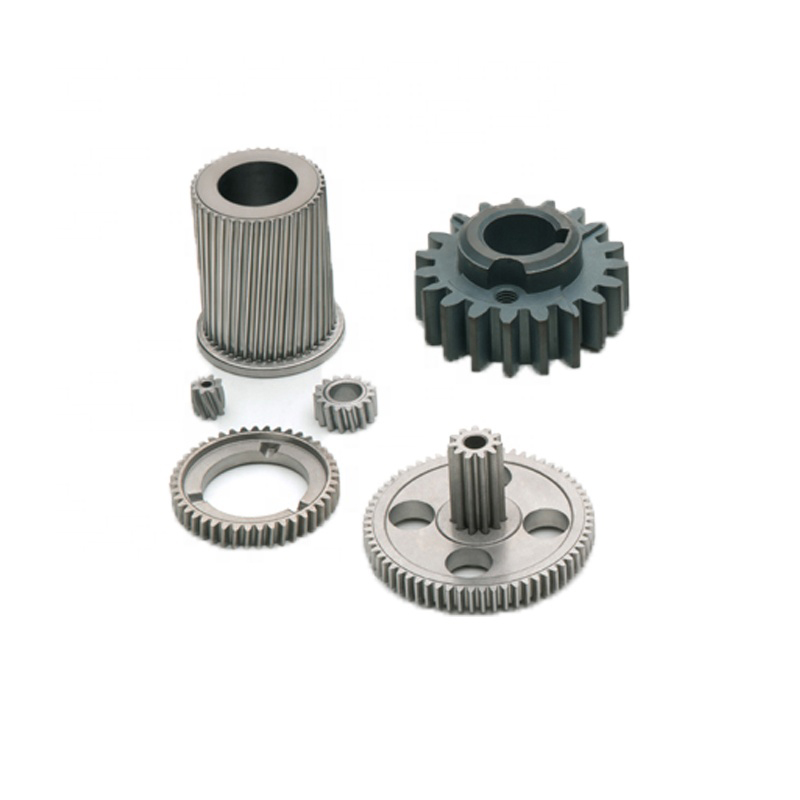
Mastering the End-Face Parameter Gear: A Precision Solution for Helical and Herringbone Gears | Gearseiko
Within high-precision cylindrical gear design, most design engineers adopt normal-based parameter standards as conventional design specification. Nevertheless, end-face parameter system turns into an indispensable core design foundation for helical and herringbone double-helical gears processed via dedicated cutting techniques. Specialized in premium involute external cylindrical gear fabrication, Gearseiko takes end-face dimension criteria as core design benchmark; this less-popular design methodology brings prominent edges in tool universality, production flexibility and finished machining precision especially for intricate helical tooth geometries.Get free end-face parameter gear design consultation and customized quotation from Gearseiko’s professional engineering team.
Core Value of End-Face Parameter Design in Modern Gear Production
When fabricating helical or herringbone gears with rack comb cutters or disc slotting shaper cutters, end-face tooth profile including end-face pressure angle, addendum and tooth depth keeps fixed specifications. Designers are allowed to configure nominal helix angle flexibly per practical operating demands, and helix angle adjustment barely changes gear radial overall dimensions.
This unique property realizes outstanding tool sharing: one single cutter sized by fixed end-face parameters can machine multiple gears with disparate tooth quantities. In comparison, designing with normal parameters cannot break helix angle restriction or cut down total cutter varieties, failing to reduce die and tool procurement expenses.
Gearseiko’s Mature Standard for End-Face Parameter Gear Development
Our technical team formulates standardized design specifications to maximize tool commonality and consistent machining precision:
1. Nominal Helix Angle Matched to Shaping Equipment
Nominal helix angle must align with the structural limit of dedicated gear shaper models:
- SYKES-SE UK shaping machine: configurable nominal helix 15°, 20°, 30° for helical & herringbone gears;
- Sunderland 305DH & Y87315 herringbone gear planer: fixed standard nominal helix angle at 30°.

2. End-Face Module as Primary Design Datum
All core design indicators including module, tooth height coefficient and radial backlash clearance coefficient are defined on end-face benchmark for all in-house manufactured gears under this design system.
3. Differentiated Pressure Angle Based on Cutting Tool Category
- Rack comb cutter processing: adopt 20° standard end-face pressure angle as core design parameter;
- Disc slotting shaper cutter processing: take 17.5° normal pressure angle as design baseline.
4. Actual Helix Angle Setting Rules
Practical helix angle of workpiece and cutting tool varies with tool type:
- Comb cutter machining: actual helix equals pre-set nominal helix angle;
- Disc slotting cutter machining: actual helix is determined by cutter reference diameter and machine helical lead, restricted by standard finished cutter diameter specifications.
Core Production Merits of End-Face Parameter Design
The biggest competitive advantage lies in remarkable tool versatility. One standardized end-face module cutter is compatible with gear blanks of different tooth counts, drastically cutting custom cutter quantity, lowering tooling investment and shortening production model switching downtime.
Basic ordinary gear shapers lack helical forming capacity; high-precision helical and herringbone gears rely on universal full-function gear shaping equipment. Gearseiko’s modern processing workshop deploys advanced universal shaping centers to realize micron-tolerance complex tooth contour forming steadily.
Five Core Cooperating Advantages to Select Gearseiko’s End-Face Parameter Gears
- In-depth proprietary technical accumulation: proficient in end-face parameter design principle, industrial application background and detailed design pitfalls;
- Cost-saving optimized tool layout: minimize total cutter types while boosting processing flexibility to cut clients’ comprehensive procurement cost;
- Strict precision-controlled production: tight dimensional tolerance guarantees low-noise meshing, high load-bearing performance and extended service lifespan;
- Flexible helix customization: support standard 15°/20°/30° nominal helix plus non-standard customized angle matching client’s existing shaping equipment;
- Complete quality inspection system: full-profile dimension detection before delivery to conform to end-face parameter design drawing.

Application Summary & Custom Service
Although normal parameter design dominates mainstream gear industry, end-face parameter system remains irreplaceable for helical/herringbone projects requiring high tool sharing rate and flexible helix adjustment. Gearseiko combines classic end-face design experience with contemporary precision machining and rigorous QC management. Our end-face parameter gears widely serve heavy industrial reducers, marine propulsion drivetrains and high-speed compressor transmission assemblies.
Reach our engineering department to detail your helical or herringbone gear drawing demands, we customize exclusive end-face parameter scheme to upgrade your equipment running performance.
FAQ | End-Face Parameter Helical & Herringbone Gear
Q1: Why end-face parameter is essential for comb cutter & disc slotter processed helical gears?
A1: End-face tooth profile keeps fixed, single end-face-spec cutter fits multiple tooth-number gears to improve tool commonality.
Q2: What standard nominal helix angles match mainstream shaping machines?
A2: SYKES-SE:15°,20°,30°; Sunderland 305DH/Y87315 fixed at 30°.
Q3: Different pressure angle between comb cutter and disc slotting cutter?
A3: Comb cutter uses 20° end-face pressure angle; disc shaper uses 17.5° normal pressure angle.
Q4: How does actual helix angle get confirmed in two cutting modes?
A4: Comb cutter: actual helix = nominal helix; disc cutter: determined by cutter reference diameter and machine lead.
Q5: What are main application fields of Gearseiko’s end-face parameter gears?
A5: Heavy industry drives, marine propulsion systems and high-speed compressor transmission gears.
High‑Precision Solutions from Gearseiko
Precision Calculation Guide for High Performance Drives
Related Article