5 Advanced Technologies That Are Redefining High End Manufacturing
author: Cash
2026-06-07
Precision Gear Hobbing: 5 Advanced Technologies That Are Redefining High-End Manufacturing | Gearseiko
Staying ahead in premium precision gear fabrication hinges on continuous technological upgrading to lift machining accuracy, production efficiency and overall cost competitiveness. As a professional high-end gear manufacturer serving demanding industrial fields, Gearseiko accumulates decades of processing experience and deploys five cutting-edge optimized hobbing technologies to upgrade finished gear quality for worldwide clients.Get free technical solution consultation and customized gear quotation from Gearseiko’s professional engineering team.
Five Core Advanced Gear Hobbing Technologies & Gearseiko Practical Application
1. Multi-Start Hob Hobbing for Remarkable Productivity Improvement
Single-start hob is the traditional mainstream tool, while multi-start cutter drastically shortens machining cycle: double-start hob cuts processing time by roughly 40%, triple-start design lifts production efficiency up to 50%. Meanwhile dispersed cutting load reduces flank abrasion and extends overall hob service life. Nevertheless inconsistent pitch among multiple starts easily triggers dimensional deviation to damage gear precision. Gearseiko adopts ultra-precision tailor-made multi-start hobs with full-process tool inspection to balance high throughput and tight tolerance, perfectly matching medium & large batch standardized gear mass production.
2. Hard Gear Hobbing (Scudding): Cost-Effective Substitute for Post Heat-Treatment Grinding
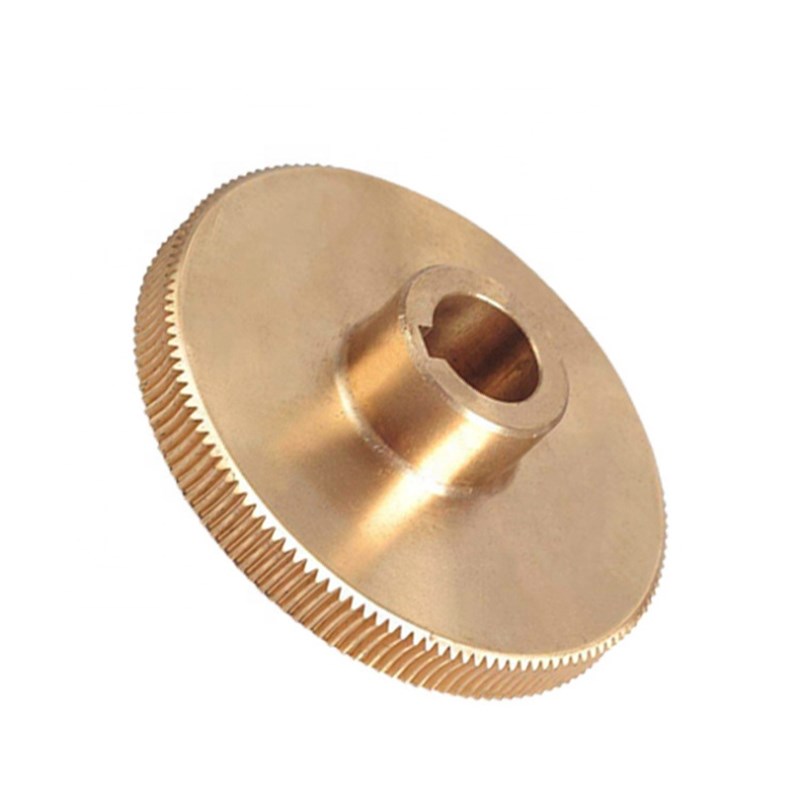
Scudding (hard hobbing) adopts negative-rake carbide hobs to directly machine quenched workpieces ranging 45–62 HRC, serving as efficient pre-grinding removal for heat treatment deformation or final finish forming for large-size gears with uniform reserved grinding allowance. Matched with subsequent worm honing, scudding partially replaces conventional finish grinding with only 1/3 processing cost and 2~5 times higher productivity, especially prominent on large-module high-tooth-count gears. This craft avoids grinding burn and surface microcrack to boost tooth flank fatigue resistance, gradually substituting rough & semi-finish grinding in modern production. Gearseiko’s mature scudding process stabilizes precision at ISO 6 for regular products and ISO7 for oversized hard gears, widely used on wind turbine, mining equipment and heavy machinery transmission components.
3. CNC Retrofit & DRO Digital Display Upgrade to Upgrade Original Equipment Precision
Precision and efficiency optimization is critical for automotive batch gear production. Refitting traditional hobbing machines with full CNC control or DRO digital readout shortens setup time by 80% and upgrades finished precision by one full ISO grade. Gearseiko’s production workshop collocates brand-new CNC hobbing centers and retrofitted high-precision DRO legacy equipment; hybrid equipment layout realizes flexible production: quick fixture changeover for small-batch custom gears and stable sub-micron positioning accuracy for bulk orders, effectively lowering reject rate and shortening customer delivery cycle via optimized tooth profile precision.
4. Dry Hobbing with Superhard Cutting Tools for Environment-Friendly Production
Different from traditional flood-coolant hobbing requiring continuous cutting fluid supply for lubrication and cooling, dry hobbing with PCD or high-performance solid carbide hobs completely cancels coolant usage, especially mature for automotive hardened precision gears. Core advantages: eliminate thermal shock restriction to raise feasible cutting speed; save expense on coolant procurement, recycling and waste disposal; reduce harmful oil mist and industrial waste liquid to satisfy global environmental protection specifications. Gearseiko has realized stable dry hobbing mass production on multiple automotive core gear parts to achieve green and cost-saving manufacturing.
5. Integrated Multi-Function Machining Center for Oversized Large Gear Hobbing
Meter-level diameter heavy large gears bring huge challenges on clamping alignment and repeated positioning accuracy; discrete independent hobbing, shaping and grinding equipment needs repeated blank clamping which accumulates cumulative assembly errors. Advanced WF-type integrated machining centers combine hobbing, shaping, finish grinding and online in-process inspection within single clamping station, equipped with external preloading workpiece exchange table and automatic multi-tool changer for hobs, grinding wheels and measuring probes. The production line configures climb hobbing for high-efficiency rough stock removal plus conventional hobbing for high-quality finishing. Gearseiko’s dedicated large gear workshop adopts such integrated processing philosophy to cut non-cutting auxiliary time, minimize fixture-induced concentricity error and produce qualified heavy-duty gears for marine propulsion, cement plant reducer and oversized industrial gearbox.
Core Advantages of Cooperating with Gearseiko
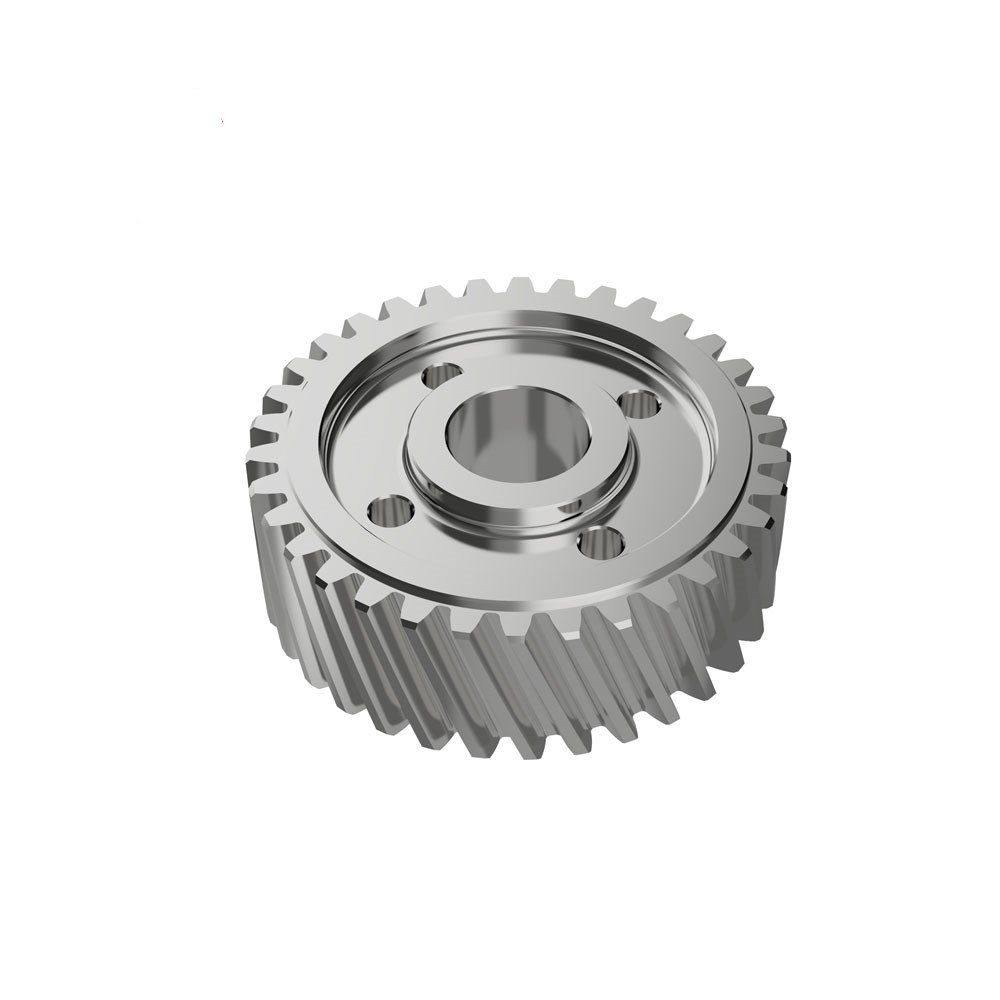
We integrate five advanced hobbing crafts into systematic whole-process processing scheme instead of scattered single-technology application: multi-start hobbing accelerates bulk delivery; scudding reduces post-grinding cost; CNC+DRO hybrid equipment realizes flexible customized production; dry hobbing controls production cost & meets eco-standard; integrated machining solves large gear precision bottleneck. Supported by strict full-range quality control system, Gearseiko provides one-stop service from prototype trial cutting to mass-volume OEM production for automotive, wind power, mining and marine industries.
Contact our technical team to customize targeted gear manufacturing solution to shorten lead time and lower your comprehensive procurement cost. Gearseiko – Precision Engineered, Globally Trusted.
FAQ | Advanced Precision Gear Hobbing Technology
Q1: Efficiency improvement of double/triple-start multi-start hob?
A1: Double-start reduces cycle time ~40%, triple-start improves productivity up to 50% with extended tool lifespan.
Q2: Hard hobbing(scudding) applicable workpiece hardness and precision standard?
A2: Process 45–62 HRC hardened gears, ISO6 for general parts, ISO7 for large-module hard gears.
Q3: Benefit of DRO & CNC retrofit on old hobbing machines?
A3: Setup time cut by 80%, gear precision promoted one ISO grade with less scrap.
Q4: Key merits of dry hobbing compared with conventional wet cutting?
A4: No coolant needed, higher cutting speed, lower cost and eco-friendly with zero waste fluid.
Q5: Advantage of integrated machining center for large gear?
A5: Single clamping for multi-process, less repeated positioning error and better concentricity.
The Core Equipment for Precision Gear Manufacturing Gearseiko Powers High End Production
How Gearseiko Redefines High-Precision Gear Manufacturing
Related Article