The Core Equipment for Precision Gear Manufacturing Gearseiko Powers High End Production
author: Cash
2026-06-08
Gear Hobbing Machines: The Core Equipment for Precision Gear Manufacturing – Gearseiko Powers High-End Production | Gearseiko
In precision gear machining industries, gear hobbing machines serve as the most essential and widely adopted core processing equipment. Industry statistical data shows that hobbing machines account for approximately 45% of all professional gear-cutting machine tools, acting as the fundamental backbone of the global gear manufacturing sector. As a professional manufacturer focusing on high-end precision gear customization and mass production, Gearseiko deeply grasps the core value of hobbing machine processing, continuously iterates advanced hobbing craftsmanship, and delivers high-precision, high-stability gear products for diverse industrial scenarios.
Full Processing Capabilities & Diverse Application Scope of Hobbing Machines
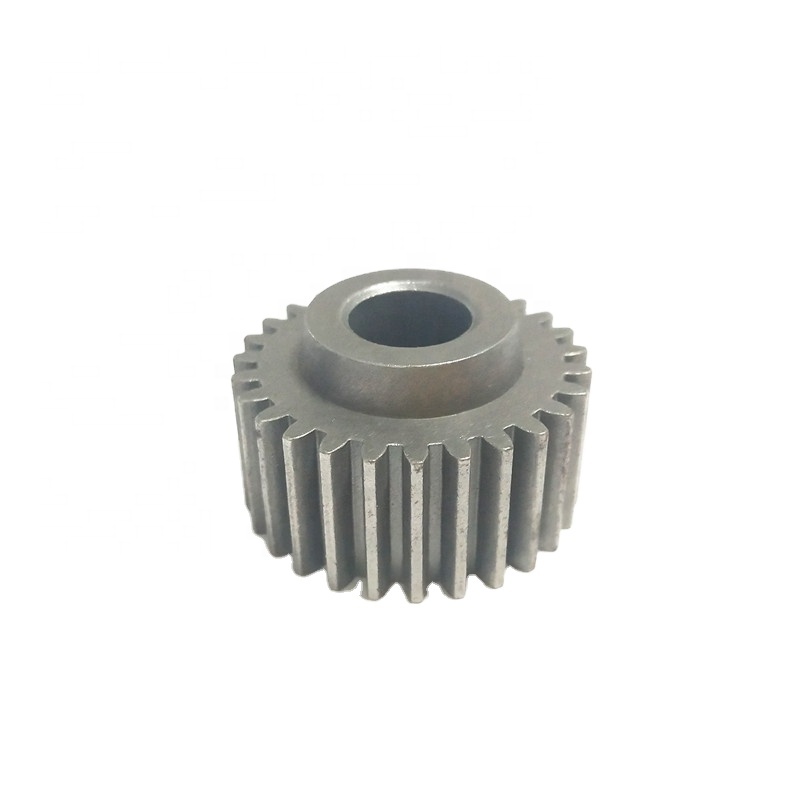
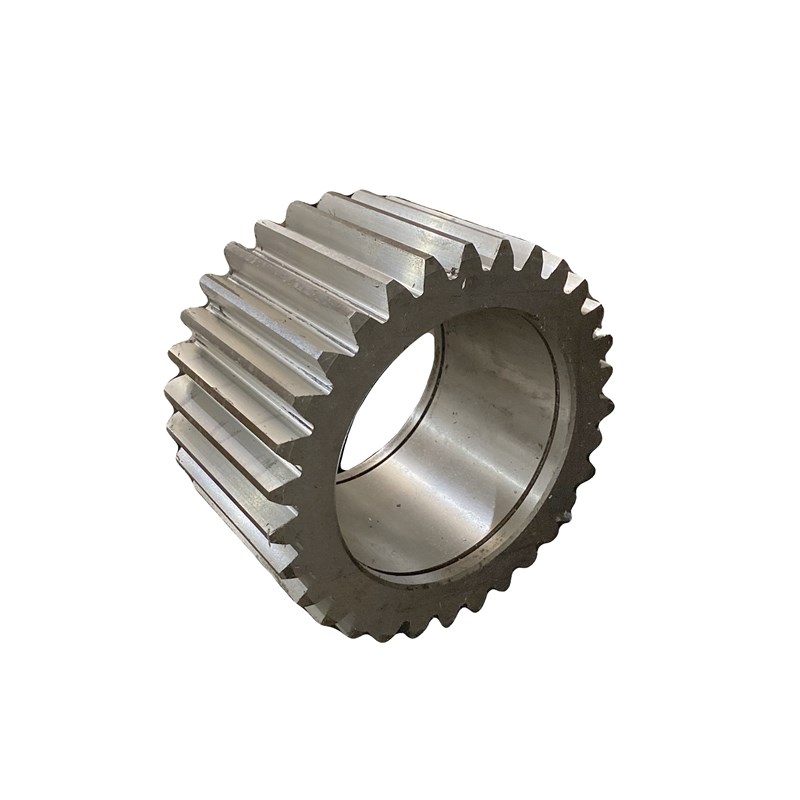
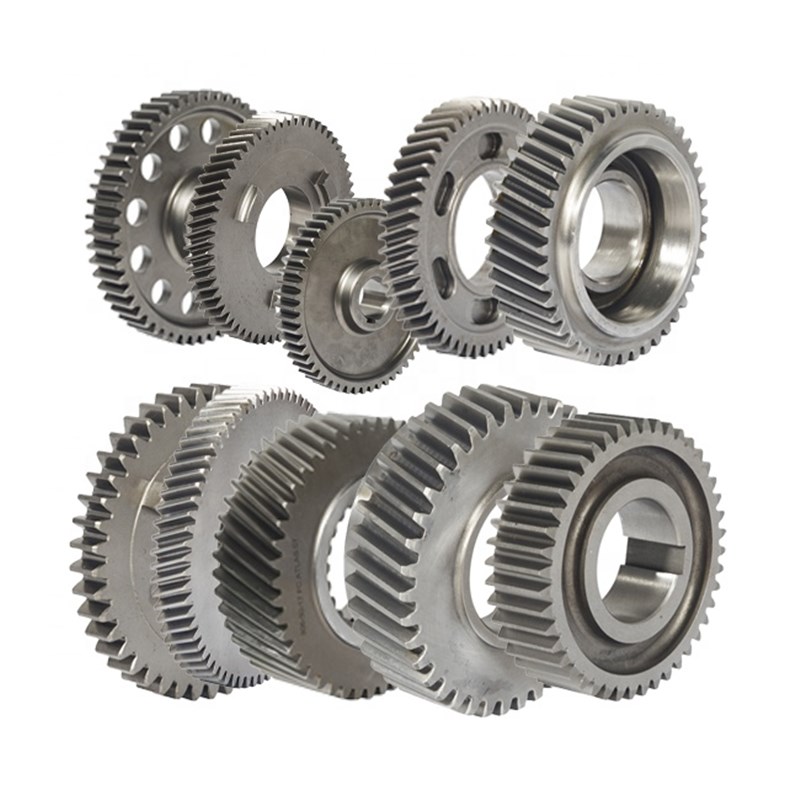
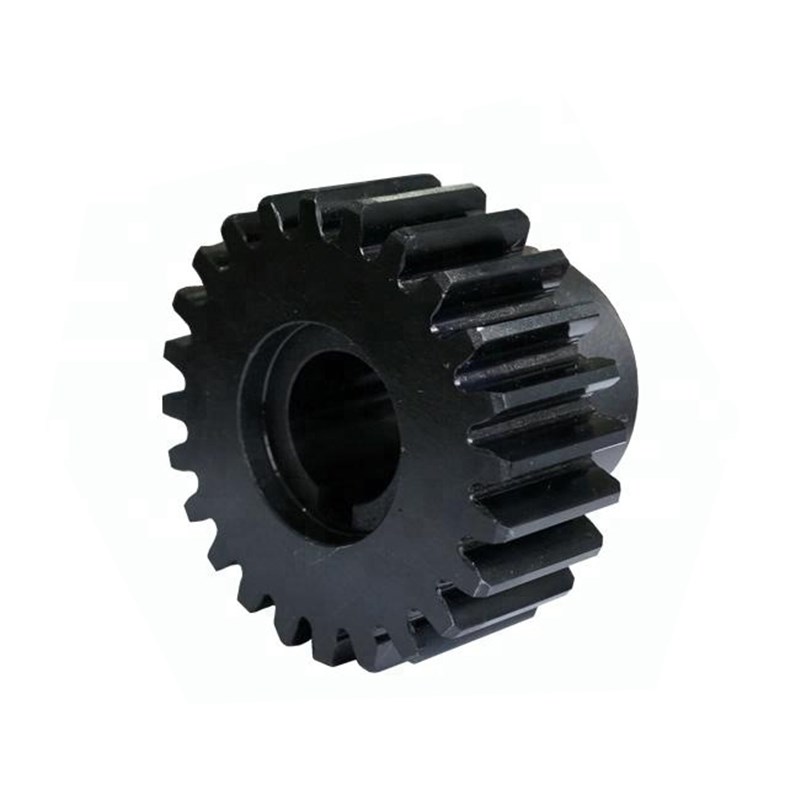
Gear hobbing machines are primarily designed for machining standard involute tooth profiles, covering mainstream gear types including spur gears, helical gears and herringbone gears. By adjusting machine parameters and matching dedicated hobs, the equipment supports flexible production of gears with different tooth counts and helix angles, delivering outstanding processing adaptability. With conjugate profile matching between hobs and workpieces, hobbing machines can also fabricate special tooth structures such as circular-arc gears, cycloidal gears, sprockets and ratchet gears, far exceeding traditional public cognition of hobbing processing boundaries.
Large-scale heavy-duty hobbing machines support both generating hobbing and form milling functions, equipped with optional indexing milling attachments to cooperate with disc cutters and finger cutters for auxiliary forming processing. Some advanced models integrate internal gear hobbing heads, adopting special internal gear hobs to complete precision generating cutting of internal gears. This multi-functional processing attribute enables one machine to realize efficient roughing and high-precision finishing, meeting dual production demands of high throughput and tight tolerance.
Ultra-Wide Size Coverage & Full Material Adaptability
Modern gear hobbing machines feature ultra-wide workpiece size adaptability, covering miniature precision components and super-large industrial gears. The processing range extends from micro instrument gears with a module below 0.1mm and a diameter of only a few millimeters, to heavy-duty large gears with a maximum diameter over 12 meters and a module up to 40mm. In terms of materials, hobbing equipment is compatible with almost all mainstream gear manufacturing materials, including various soft metal alloys, hard quenched metals and multiple non-metallic materials, fully demonstrating its universal processing advantages.
Advanced Hobbing Technology: Hard Gear Finishing Replaces Traditional Grinding
With the continuous upgrading of CNC hobbing technology, new-generation high-precision hobbing machines support carbide hob finishing for quenched hardened gears. This innovative hard gear hobbing process effectively removes heat treatment deformation, controls uniform grinding allowance, and partially replaces traditional gear grinding procedures. Compared with conventional grinding processing, advanced hard hobbing drastically reduces production costs and shortens manufacturing cycles without compromising finished gear precision.
Gearseiko fully applies this mature hard gear hobbing technology in mass production, helping global clients optimize production costs while maintaining stable transmission accuracy. Meanwhile, hobbing machines have inherent processing limitations: they cannot machine gears with narrow undercut gaps, small and medium-sized internal gears, racks, and non-circular gears with non-closed or concave pitch curves. For such special customized requirements, Gearseiko matches complementary machining processes to provide one-stop integrated gear manufacturing solutions.
Precision Grade Classification & Equipment Structural Configuration
According to machining accuracy, gear hobbing machines are categorized into standard ordinary type, high-precision type and ultra-precision type, with clear hierarchical precision standards:
-
Standard hobbing machine: Reaches ISO Grade 7 accuracy with surface roughness Ra 3.2μm, suitable for conventional industrial transmission gears;
-
High-precision hobbing machine: Reaches ISO Grade 5 accuracy with surface roughness Ra 1.6μm, applicable for precision equipment and automotive transmission gears;
-
Ultra-precision hobbing machine: Reaches ISO Grade 4 accuracy with surface roughness Ra 1.25μm, dedicated for high-end precision instruments and aerospace-grade gears.
Gearseiko is equipped with a full set of high-precision and ultra-precision hobbing equipment, achieving full coverage of Grade 4 to Grade 7 precision production to meet diversified high-standard customization demands.
In terms of structural configuration, hobbing machines are divided into vertical models (represented by Y38 series) and horizontal models (represented by Y3663 series). In terms of functional performance, diversified upgraded models are available, including PC-controlled universal hobbing machines, four-axis CNC hard gear hobbing machines, semi-automatic and fully automatic intelligent hobbing equipment, fully adapting to small-batch customized trial production and large-batch standardized mass production.
Gearseiko’s Professional Manufacturing Strength & Service Commitment
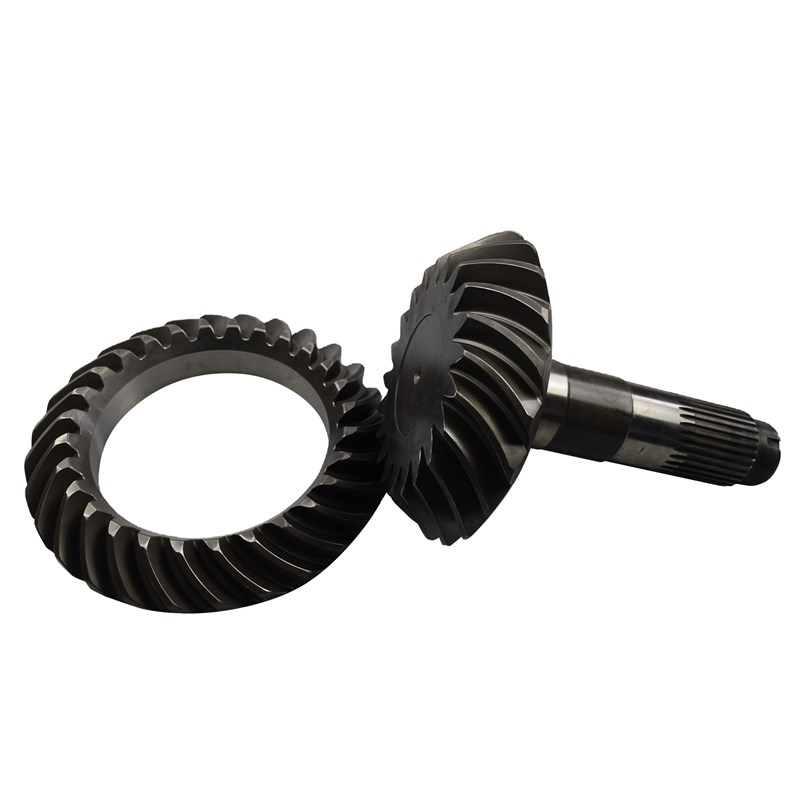
Relying on full-series high-precision hobbing equipment and mature iterative processing technology, Gearseiko implements strict full-process quality management from raw material incoming inspection, precision hobbing forming to finished product detection. We stably supply consistent, high-precision and cost-effective gear products covering micro small-module precision gears and super-large heavy-duty industrial gears.
Whether for precision instrument transmission, automotive power systems, mining heavy machinery or marine engineering equipment, Gearseiko tailors exclusive hobbing processing schemes according to customer drawing parameters and working condition requirements. Contact our professional engineering team anytime to obtain technical consultation, process optimization and customized gear manufacturing services.
FAQ | Gear Hobbing Machine & Precision Hobbing Processing
Q1: What is the market status of gear hobbing machines in gear manufacturing?
A1: Gear hobbing machines account for about 45% of all gear-cutting machine tools, serving as the core and backbone equipment of the gear processing industry.
Q2: What gear types can hobbing machines process?
A2: It mainly processes spur gears, helical gears and herringbone gears, and can also machine circular-arc gears, cycloidal gears, sprockets, ratchets and other special tooth profiles with matched hobs.
Q3: What is the size range of gears processed by hobbing machines?
A3: It covers micro gears with module below 0.1mm to super-large gears with 12-meter diameter and 40mm maximum module, adapting to ultra-wide size demands.
Q4: What precision grades can Gearseiko’s hobbing equipment achieve?
A4: Our equipment supports ISO Grade 4 (ultra-precision), Grade 5 (high-precision) and Grade 7 (standard) processing, with surface roughness as low as Ra 1.25μm.
Q5: What are the limitations of gear hobbing machines?
A5: They cannot process narrow undercut gears, small/medium internal gears, racks and special non-circular gears, which require complementary processing technologies.
Key Steps by Gearseiko to Enhance Gear Machining Accuracy
5 Advanced Technologies That Are Redefining High End Manufacturing
Related Article