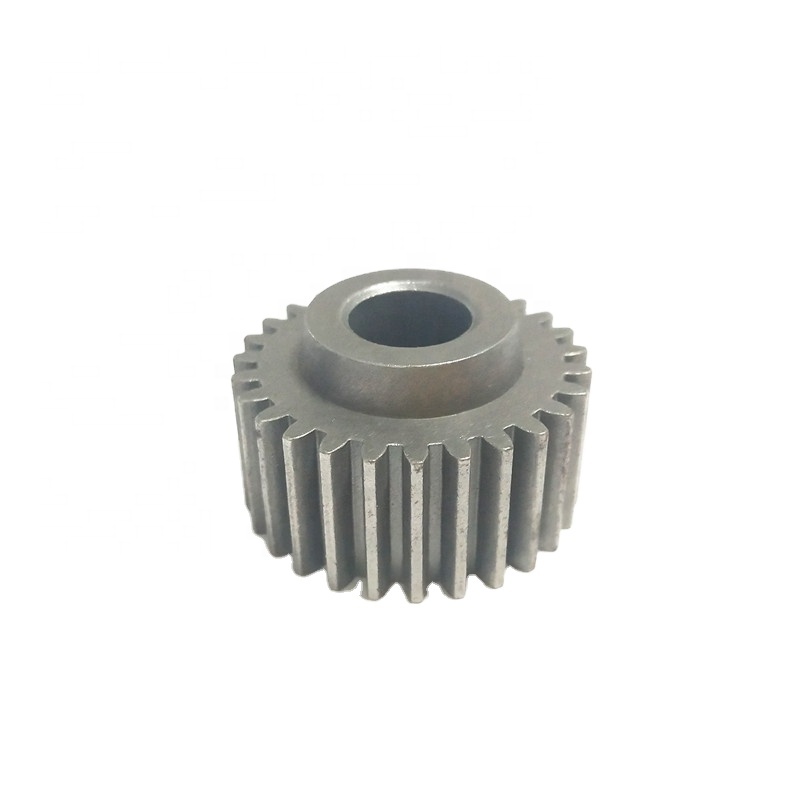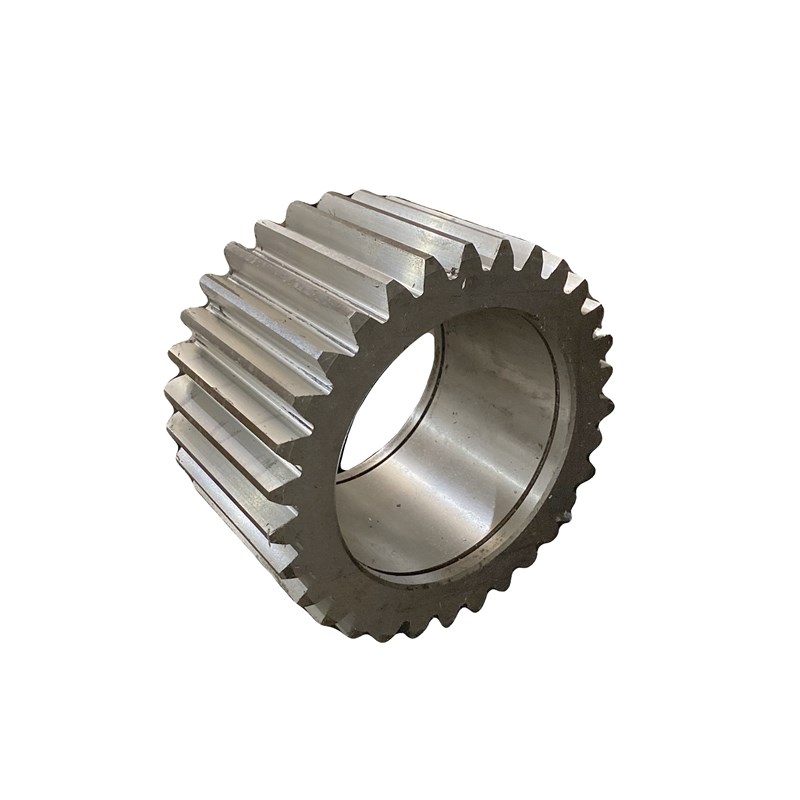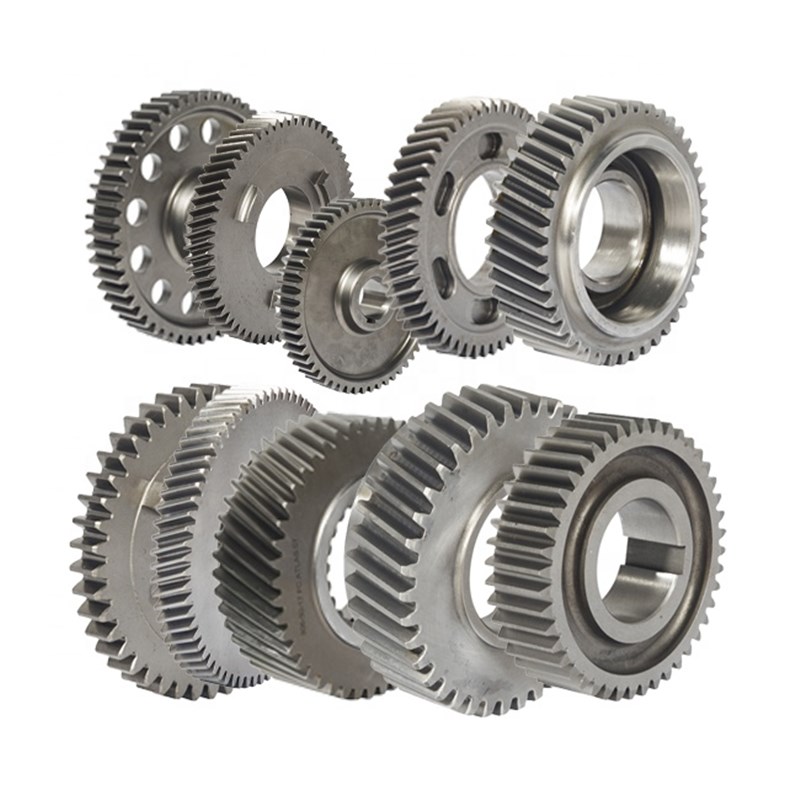
Steel Metal Starter Pinion Precision Wheel Transmission mechanical arm Bevel Gear
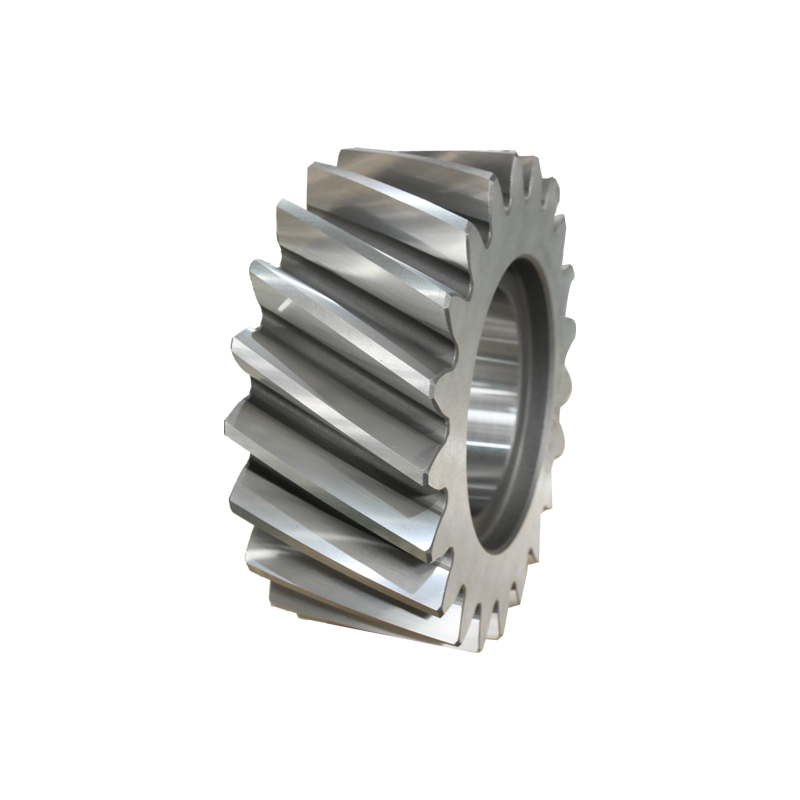
Precision-Machined Steel Helical Gears for Robotic Arms: Why Low-Carbon Steel Is the Smart Choice for Automation
In the competitive world of industrial automation, every component in a robotic arm must deliver uncompromising reliability. Among these, the helical gear stands out as a critical enabler of smooth motion, high torque density, and low noise. However, the material selection for these gears directly determines the lifespan, precision, and safety of the entire robotic system. While many gear manufacturers default to medium-carbon or alloy steels, a growing number of advanced robotics engineers are turning to low-carbon steel – and for good reason.
At Gearseiko, we specialize in high-precision machined helical gears made from low-carbon steel. Our latest collaboration with a major Asian robotic arm manufacturer has validated what we have long argued: properly processed low-carbon steel offers the ideal balance of surface hardness, core toughness, and manufacturing consistency for next-generation automation.
1. Why Robotic Arms Need Helical Gears – Not Just Any Gears
Automated manipulators – especially six-axis articulated robots used in assembly, pick-and-place, and collaborative applications – require gearboxes that can handle frequent starts, stops, and reversals. Unlike spur gears, helical gears have angled teeth that engage gradually. This results in:
-
Smoother torque transmission – reduced vibration and mechanical shock.
-
Higher load capacity – multiple teeth in contact at any time.
-
Quieter operation – critical for human-robot collaboration (cobots).
However, these advantages place demanding requirements on the gear material. The teeth must resist rolling contact fatigue (pitting) and abrasive wear, while the gear core must absorb impact loads without fracturing. This is precisely where low-carbon steel, when case-hardened, becomes the optimal solution.
2. Low-Carbon Steel: The Underrated Workhorse of Precision Gears
Many engineers mistakenly believe that higher carbon content automatically means better gear performance. In reality, through-hardened medium-carbon steels (e.g., 1045, 4140) can become brittle in robotic applications where shock loads and elastic deformation are common. Low-carbon steels – such as SAE 8620, 4320, or 16MnCr5 – contain only 0.15–0.25% carbon. In their as-machined state, they are soft and ductile, allowing precise gear cutting with minimal tool wear and superior surface finish.
The real magic happens after case carburizing:
-
Hardened surface (58–62 HRC) : excellent wear resistance and pitting life.
-
Ductile core (25–35 HRC) : high impact toughness, preventing tooth breakage under overload.
For robotic arms that perform millions of cycles per year, this combination is not a luxury – it is a necessity.
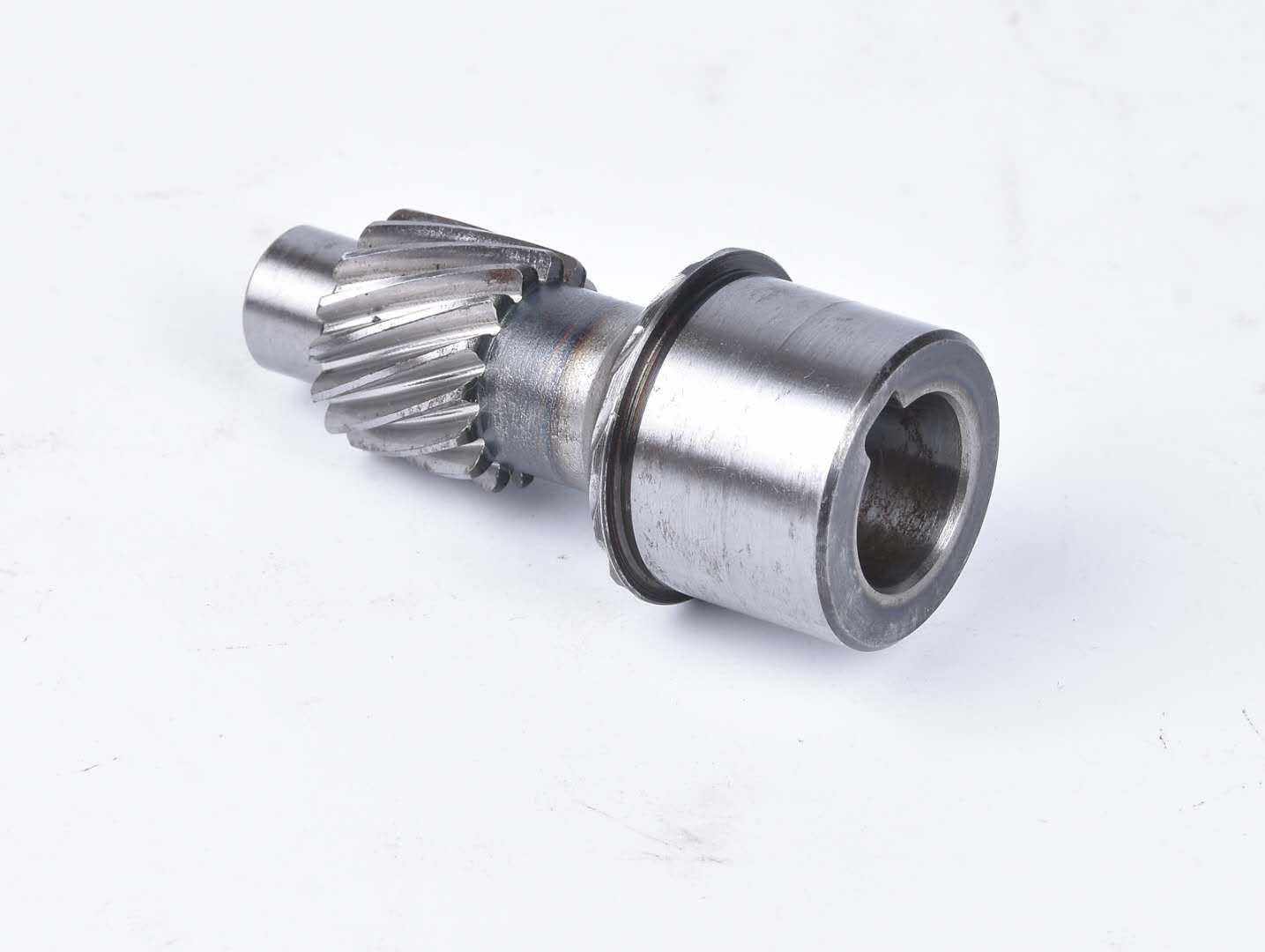
3. Case Study: Gearseiko’s Low-Carbon Helical Gears in Action
Our client, a leading Asian manufacturer of high-speed SCARA and six-axis robots, previously experienced premature gear failure in their wrist joint and elbow joint drives. The original supplier used quenched-and-tempered medium-carbon steel gears, which developed micropitting and noise after only 4,000 hours of continuous operation.
Gearseiko was invited to redesign the helical gear set. We proposed:
-
Material: Low-carbon steel (SAE 8620), vacuum degassed for cleanliness.
-
Machining: Precision hobbing + profile grinding (AGMA Class 12).
-
Heat treatment: Controlled atmosphere carburizing + direct quenching + tempering.
-
Finishing: Superfinishing of tooth flanks to Ra < 0.2 µm.
The results were independently verified by the client’s durability test lab:
-
No visible wear after 12,000 hours of accelerated duty cycle.
-
Noise reduction of 7 dB(A) compared to previous gears.
-
Backlash consistency maintained within ±0.01 mm throughout the test.
The robotic arm’s positioning repeatability improved from ±0.03 mm to ±0.015 mm – a direct competitive advantage for the client’s product lineup.
4. The Gearseiko Process: From Low-Carbon Blank to High-Performance Helical Gear
Producing reliable low-carbon helical gears requires more than just selecting the right steel grade. At Gearseiko, our manufacturing protocol includes:
a) Precision blank preparation
We start with forged and normalized low-carbon steel bars, ensuring a homogeneous grain structure before any cutting.
b) High-speed hobbing with carbide tools
The ductility of low-carbon steel allows faster cutting speeds and longer tool life, which translates to lower cost and tighter tolerances.
c) Case carburizing with distortion control
We use computer-controlled multi-stage carburizing furnaces with slow quenching in press quenches or oil with controlled agitation. This minimizes tooth distortion – a common problem when case-hardening helical gears.
d) Hard gear finishing
After heat treatment, we perform grinding or honing to correct any micro-distortion and achieve the required profile and lead modifications.
e) 100% inspection
Every gear lot is checked for tooth geometry (gear roll tester and CMM), surface hardness (microhardness profile), and metallurgical structure (free of retained austenite or carbide networks).
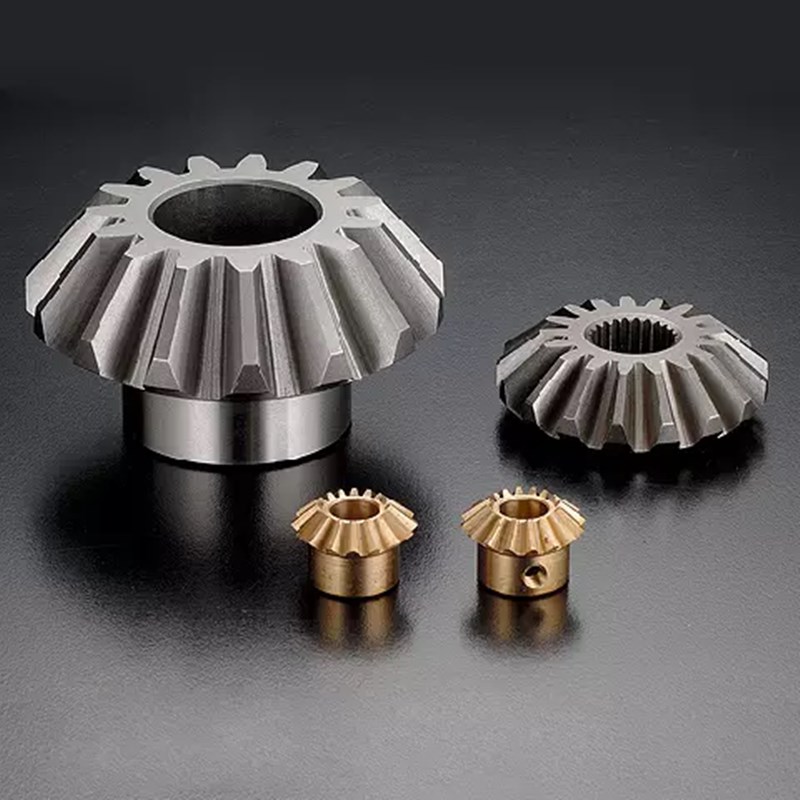
5. Key Advantages of Our Low-Carbon Helical Gears for Robotic Arms
When your automation application demands high cycle rates, frequent direction changes, and compact gearbox design, Gearseiko low-carbon helical gears provide:
-
Longer service life – up to 3× longer than through-hardened gears in cyclic loading.
-
Greater shock resistance – no brittle tooth fractures during emergency stops or collision events.
-
Lighter gearbox design – because low-carbon gears allow thinner rim sections without sacrificing reliability.
-
Better compatibility with synthetic lubricants – our finishing process reduces friction and heat generation.
6. Why Asian Robotics Manufacturers Choose Gearseiko
Our partnership with the Asian robotic arm manufacturer has now expanded to four additional robot models, including a new collaborative robot designed for electronics assembly. The client’s engineering team cited three reasons for continuing with Gearseiko:
-
Technical competence – we don’t just take orders; we participate in gear design optimization.
-
Consistent quality – our ISO 9001 and IATF 16949-certified processes ensure every batch matches the first.
-
Supply chain reliability – we maintain buffer stock of low-carbon steel blanks and offer 4-week lead times for repeat orders.
Conclusion: Don’t Overlook the Gear Material – Specify Low-Carbon Steel from Gearseiko
Robotic arms are only as reliable as their internal gear trains. By choosing low-carbon steel helical gears from Gearseiko, you gain the perfect combination of surface durability and core toughness – backed by real-world validation in demanding Asian automation lines.
Whether you are designing a new manipulator or upgrading an existing gearbox, contact us for a technical consultation. We will provide gear design recommendations, material selection guidance, and prototyping services to accelerate your development.
Gearseiko – Machining precision, engineered for motion.
Wheel Transmission Metal Reduction automatic assembling machine Spur Gear
Starter Drive Transmission Machine Precision anodize Aluminium Spur Gear
Related Article