Key Technical Insights into Precision Hobbing of Large Module Gears
author: Cash
2026-06-22
Key Technical Insights into Precision Hobbing of Large Module Gears | Gearseiko
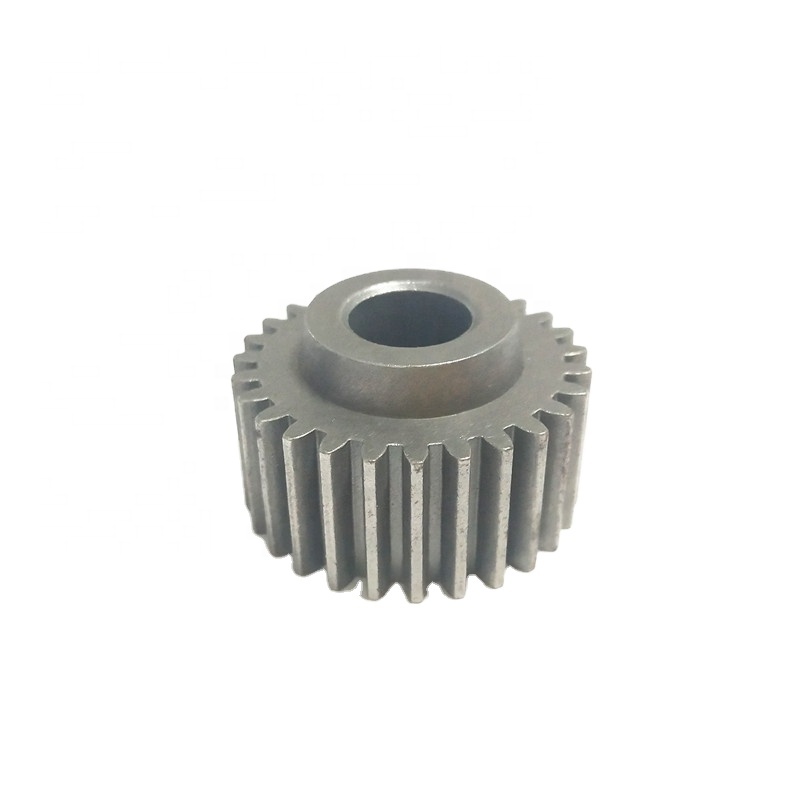
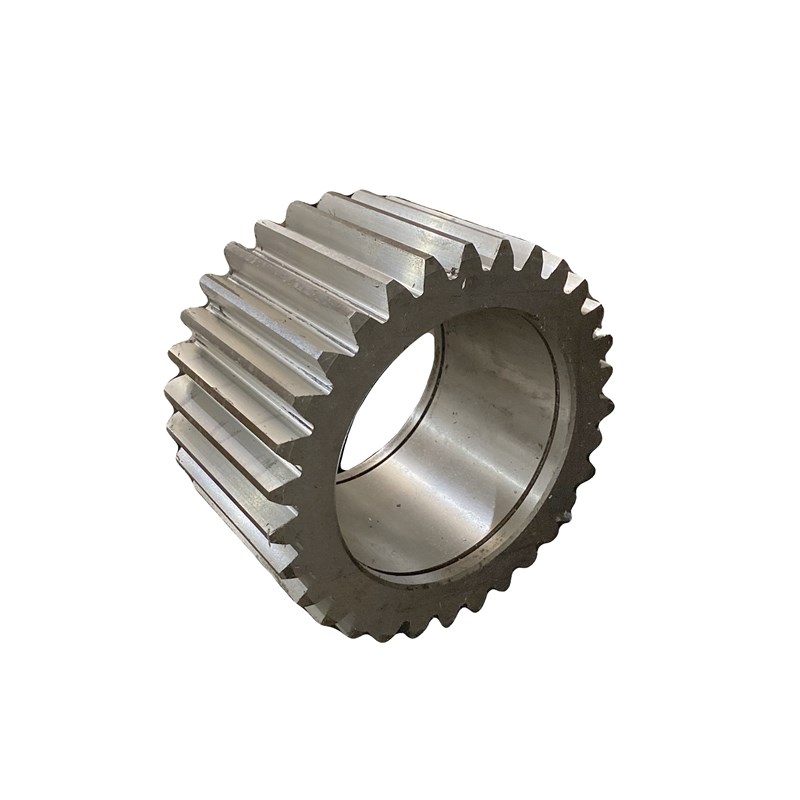
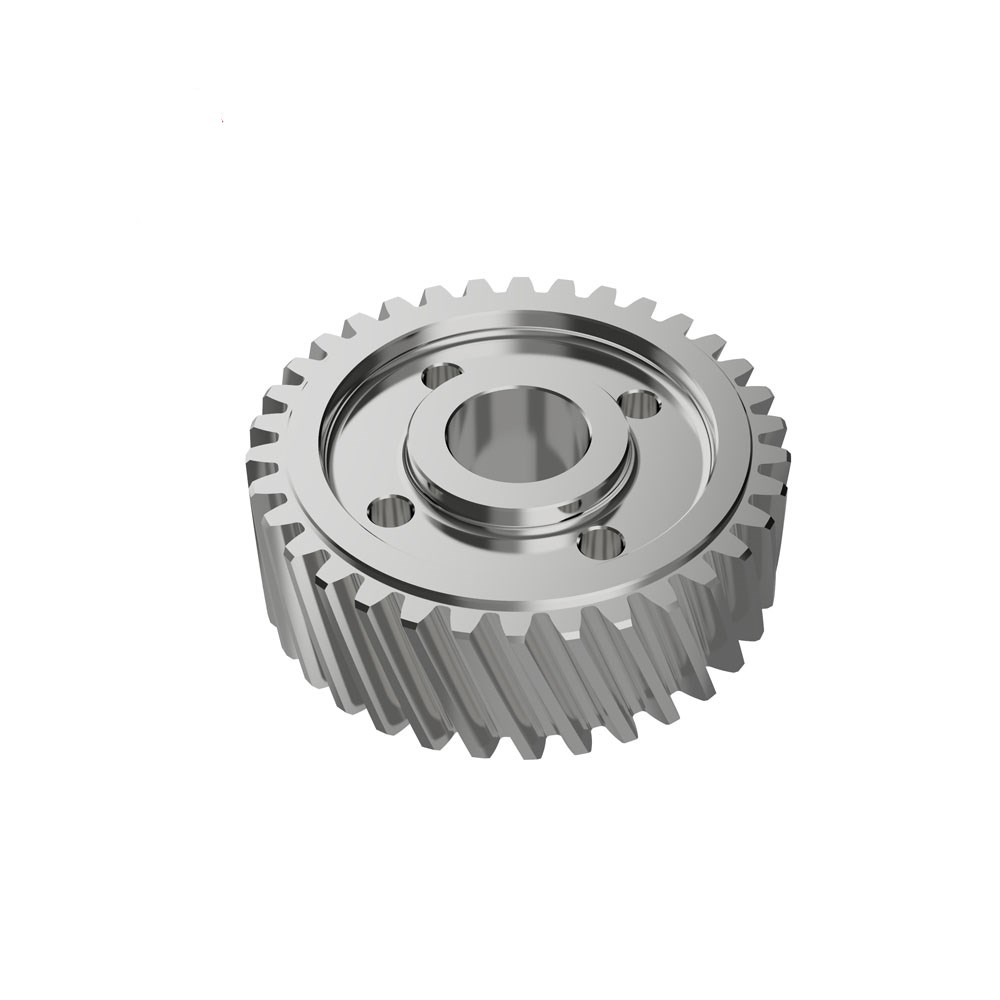
As core load-bearing transmission components for heavy-duty machinery, large module gears dominate critical equipment including mining crushers, metallurgical rolling mills, large construction machinery and marine heavy gearboxes. Different from small and medium-sized gears, large module gears feature taller tooth profiles, deeper tooth spaces and extremely heavy cutting resistance during hobbing. Heavy cutting force brings huge challenges to tool wear control, tooth profile symmetry guarantee and machine operation stability. Based on massive on-site machining data and long-term heavy-load hobbing debugging experience, Gearseiko sorts out four core precise adjustment points for large module gear precision hobbing, solving common precision defects and tool failure problems in actual production.
1. Accurate Hob Centering: Foundational Guarantee for Symmetrical Tooth Profile
Gear hobbing follows backlash-free rack-and-pinion generating meshing principle. Hob centering means aligning the symmetry central axis of hob tooth or tooth space with the center line of gear blank after hob installation. This basic mounting procedure is often overlooked in ordinary gear processing, yet it is the most critical precondition to avoid asymmetric tooth profiles for large module gears.
Under ideal centering status, left and right cutting edges of hob tooth space contact the gear blank symmetrically. The enveloping motion formed by continuous hob cutting generates fully symmetrical involute tooth profiles with equal left and right arris values, and tooth profile errors are distributed evenly on both sides. Once the hob deviates from the central position, the contact phase of bilateral cutting edges will shift synchronously. It will directly cause inconsistent arris values, asymmetric involute tooth flanks and unbalanced meshing clearance during gear operation.
Moreover, tooth profile asymmetry will bring secondary negative impacts on subsequent finishing processes such as gear shaving. Unbalanced unilateral meshing force accelerates shaving cutter wear sharply, raises overall processing cost and reduces final gear meshing accuracy. The centering error impact is magnified obviously when machining large module gears and few-tooth gears.
Standard Centering Operation Adopted by Gearseiko Workshop
Our technicians adopt dual calibration method combining centering template gauge and trial cut marking for high-precision hob centering. We conduct a shallow trial cutting with cutting depth controlled between 0.05mm and 0.15mm on gear blank outer circle, then stop the machine to check the cutting depth consistency of bilateral hob cutting edges. Fine axial offset adjustment is carried out according to actual cutting marks to realize zero-error hob centering. Relying on accumulated process experience and standardized operation specifications, we completely eliminate tooth profile symmetry defects caused by inaccurate centering.
2. Scientific Hob Axial Offset Adjustment for Roughing and Finishing
Standard integral hobs have limited effective cutting length. Without reasonable axial position offset, local cutting edges will bear excessive instantaneous load during large module gear hobbing, leading to edge collapse, tool abrasion and even sudden hob breakage. Gearseiko formulates targeted axial shifting strategies respectively for roughing and finishing processes.
2.1 Axial Offset for Rough Hobbing Process
When cutting high-tooth-count large module gears with standard non-taper lead-in hobs, the hob feed-in side cutting edge undertakes nearly 70% of total cutting load. Long-term concentrated load will cause rapid wear of single-side cutter teeth. We adjust the hob axial position to offset against gear rotation direction reasonably, dispersing heavy cutting load to the whole hob cutting edge group, effectively prolonging hob service life and ensuring stable roughing cutting state.
2.2 Two-pass Axial Shifting Strategy for Finishing Process
For large module gears with large addendum modification coefficient, single-pass hobbing cannot complete full-profile machining due to the limited effective length of standard hobs. Gearseiko adopts segmented bilateral finishing solution: shift the hob left and right accurately away from the central position respectively, and finish-machine left and right tooth flanks separately in two independent passes. All axial offset data are calculated strictly via professional gear process formulas to ensure seamless docking of two cutting tracks and smooth integral tooth flanks without tool connection marks.

3. Precision Debugging of Worktable Unloading Mechanism for Vertical Hobbing Machines
Heavy-duty vertical hobbing machines are mainstream equipment for oversized large module gear processing. The built-in worktable unloading mechanism is the core component to balance huge workpiece gravity load and protect machine indexing drive chain. Most large gear hobbing failures including unstable workpiece rotation and fluctuating pitch accuracy are caused by mismatched unloading parameters.
All heavy-duty hobbing equipment in Gearseiko workshop supports automatic and manual dual unloading adjustment modes. Before formal cutting, technicians calibrate unloading pressure and supporting stroke strictly according to actual workpiece weight and fixture total weight. Separate parameter sets are configured for roughing and finishing stages: higher unloading support force for heavy-load roughing to resist cutting vibration, and precise fine-tuned unloading parameters for finishing to guarantee ultra-stable worktable rotary accuracy. This hidden machine adjustment detail effectively improves gear surface finish and cumulative pitch precision of finished large module gears.
4. Three Mature Hobbing Processes for Special Short-Tooth Gears
Short-tooth gears with non-standard addendum coefficients are widely used in limited-space heavy reduction gearboxes. Their tooth height is lower than standard gears, requiring targeted hobbing process optimization instead of conventional standard gear cutting parameters. Gearseiko matches flexible processing schemes based on production batch, precision requirement and tool configuration status:
-
Dedicated short-tooth hob direct hobbing (Preferred for mass production): Adopt custom matched short-tooth special hob for one-time forming hobbing. This process features highest efficiency, stable tooth profile accuracy and consistent batch quality, suitable for large-batch standardized short-tooth gear orders.
-
Radial + tangential compound shifting with standard hob (General alternative process): When special short-tooth hobs are unavailable, complete full tooth depth cutting (1.9m) via radial feed firstly, then remove residual tooth thickness allowance equally twice through hob tangential shifting, avoiding unilateral excessive cutting and tooth flank damage.
-
Hob mounting angle adjustment process (Suitable for low-precision orders): Calculate matched hob installation angle via professional formula aiming at 20° standard pressure angle, adjust hob inclination angle accurately, then complete full-depth radial hobbing. This method saves tool customization cost and fits cost-sensitive low-precision single-piece production.
Conclusion
Precision hobbing of large module gears is a systematic process integrating equipment debugging, tool mounting optimization, parameter calculation and on-site operational experience. Four key links determine final gear machining quality: accurate hob centering guarantees symmetrical tooth profile, segmented axial hob offset avoids concentrated tool wear, unloading mechanism calibration stabilizes worktable rotation accuracy, and classified processes meet customized demands of special short-tooth gears.
Gearseiko combines theoretical process calculation with rich practical manufacturing experience, covering standard large module gears, modified gears and special short-tooth gears. We provide full-process technical support including machine debugging, tool setting guidance and finished gear customized production. We stick to rigorous processing standards to deliver high-stability, long-life heavy-duty gear components for global heavy equipment manufacturers.
Refined hobbing adjustment details determine ultimate precision and service life of large module gears.
FAQ | Precision Hobbing Technical Points for Large Module Gears
Q1: What problems will inaccurate hob centering cause?
A1: It leads to asymmetric involute tooth profiles, unequal bilateral arris values, unbalanced gear meshing force, and accelerates subsequent finishing tool wear severely.
Q2: Why need axial hob offset during large module gear roughing?
A2: Axial offset disperses concentrated cutting load on hob feed-in edge, prevents local tool edge breakage and reduces rapid hob wear under heavy cutting load.
Q3: Why adopt two-pass hobbing for modified large module gears?
A3: Limited effective length of standard hobs cannot machine complete tooth profile in one pass. Two-pass axial shifting ensures complete and smooth bilateral tooth flanks without cutting joints.
Q4: What is the function of worktable unloading mechanism?
A4: It balances workpiece gravity load, stabilizes worktable rotation, suppresses cutting vibration, and protects hobbing machine internal indexing transmission chain.
Q5: What are the applicable scenarios of three short-tooth gear hobbing methods?
A5: Special hob for mass production, compound shifting for general small batch, and mounting angle adjustment for low-precision cost-saving production.
Q6: Can Gearseiko provide on-site tool setting training for technicians?
A6: Yes. We provide one-to-one professional training including hob centering, axial offset adjustment and unloading mechanism debugging for customer workshop teams.
The Gearseiko Approach to Precision Machining
Gearseiko Drives Heavy Duty Core Transmission with Precision Craftsmanship
Related Article