How Kriging Model and Subset Simulation Drive High-Performance Transmission Systems
author: Cash
2026-04-29
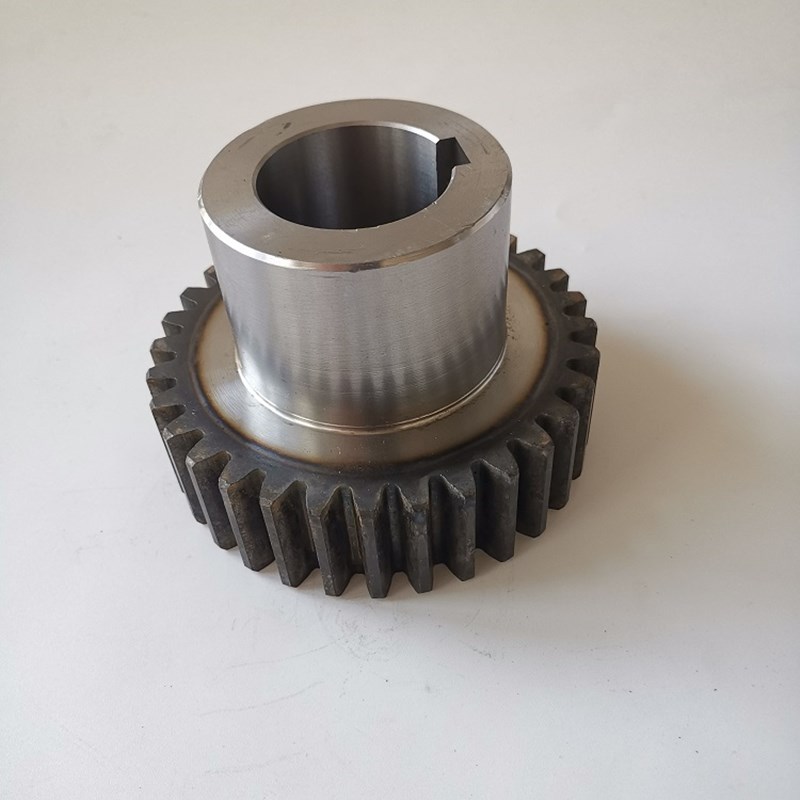
2026 Precision Gear Vibration Reliability Analysis: How Kriging Model and Subset Simulation Drive High-Performance Transmission Systems | Gearseiko
In the world of high-precision gear manufacturing, vibration is more than just noise—it’s a clear early signal of potential mechanical failure. At Gearseiko, we specialize in developing and producing premium precision gears for high-demand industrial and aerospace applications.
One of the most critical technical challenges we consistently solve is gear vibration triggered by transmission error fluctuations. This key factor directly affects overall system reliability, operational noise performance, and long-term service life of high-performance transmission equipment.Explore Gearseiko’s advanced gear vibration reliability analysis solutions here.
Understanding the Root Cause: Transmission Error and Gear Vibration
During continuous gear meshing operation, multiple internal dynamic excitations lead to unstable transmission status:time-varying meshing stiffness, manufacturing gear errors, tooth deflection under load, and periodic meshing impact. These factors jointly cause inevitable rotational speed fluctuations and transmission errors, even under stable constant load and torque conditions.
When transmission error amplitude exceeds the reasonable range, it triggers intense tooth vibration and excessive operating noise. Excessive fluctuation of transmission error response is widely recognized as a typical torsional vibration failure mode in modern gear systems.
In engineering definition, gear pair vibration reliability refers to the probability of avoiding vibration failure throughout the service cycle. It has become an indispensable core evaluation indicator for all high-precision gear transmission applications.
The Limitations of Traditional Gear Vibration Reliability Methods
Gear system vibration response features strong nonlinear characteristics, which cannot be expressed by simple closed-form mathematical formulas and must rely on complex numerical calculation algorithms.
Traditional reliability analysis methods face obvious bottlenecks in gear vibration research:
- FORM & SORM: The First-Order and Second-Order Reliability Method often suffer from low calculation accuracy or iterative non-convergence when processing nonlinear vibration systems.
- Monte Carlo Simulation: Widely used as a standard benchmark, but requires massive sampling quantity; single vibration response calculation consumes huge computing resources, making large-scale simulation impossible for actual engineering projects.
- Conventional variance reduction techniques: Importance sampling and basic subset simulation can optimize partial efficiency, but still cannot meet the rapid iteration needs of high-end gear product development.
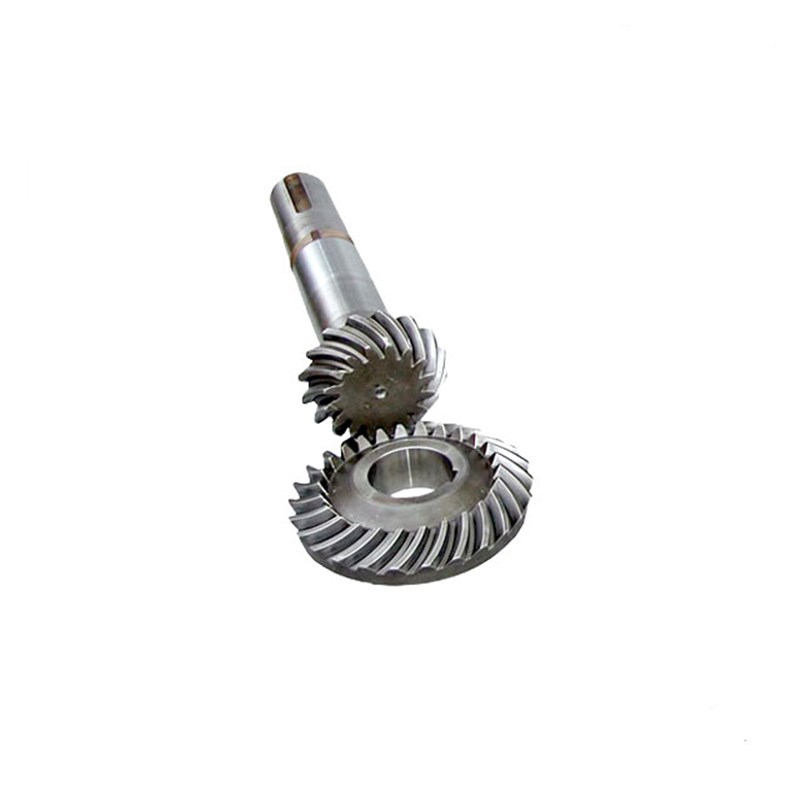
A Smarter Solution: Kriging Model Combined with Subset Simulation
To break the efficiency and accuracy bottlenecks of traditional vibration reliability analysis, Gearseiko adopts cutting-edge surrogate modeling technology.
The Kriging model, with outstanding nonlinear prediction ability and unique stochastic statistical characteristics, has become our core technical tool. Combined with professional subset simulation algorithms, it realizes highly efficient, high-precision quantitative evaluation for precision gear vibration reliability.
Different from traditional static surrogate models that rely on fixed experimental design and waste sampling resources in invalid areas, our active learning Kriging technology can adaptively screen key training points. Every sampling data effectively optimizes the accuracy of the limit state function.
This technical system shows strong robustness for high-dimensional random variables and is especially suitable for high-reliability gear scenarios with tiny failure probability.
Core Advantages of AK-SSIS Algorithm (Active Learning Kriging with Subset Simulation)
- High Computational EfficiencyMinimize repeated and costly vibration response evaluation, greatly shortening the overall analysis cycle.
- Accurate Small Failure Probability PredictionReliably identify rare vibration failure risks without massive redundant sampling.
- High-Dimensional Parameter AdaptabilityStable output and guaranteed analysis accuracy under multiple uncertain manufacturing and assembly parameters.
Practical Engineering Application: Gear Nonlinear Vibration System Verification
At Gearseiko, we have fully verified this advanced methodology through actual gear product projects, targeting typical nonlinear bending-torsional vibration gear sets with backlash clearance.
By applying the AK-SSIS integrated algorithm, our technical team completed two core tasks efficiently:
- Quantitative calculation of overall gear system vibration reliability;
- Multi-dimensional parameter sensitivity analysis, accurately identifying key random variables that dominate vibration failure risks.
All analysis results form visualized and actionable optimization guidance for precision gear design. Our R&D engineers can focus on optimizing core structural parameters and tolerance indicators, fundamentally reducing meshing vibration and improving comprehensive transmission stability.Learn more about Gearseiko’s simulation-driven gear optimization technology here.
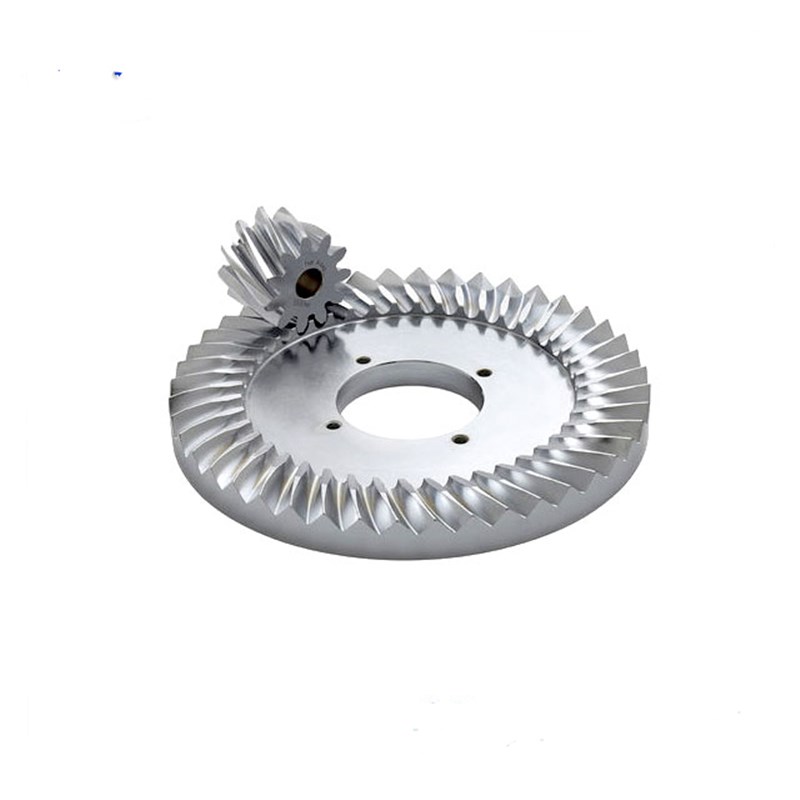
Industry Value: Vibration Reliability Optimization for High-End Scenarios
Whether for new energy EV transmissions, aerospace lightweight gearboxes, or high-speed heavy-duty industrial drive systems, hidden risks caused by gear vibration will lead to equipment shutdown, increased maintenance costs and potential safety hazards.
With advanced reliability analysis methods centered on the Kriging model and subset simulation, Gearseiko not only controls manufacturing tolerances strictly in production, but also completes full-cycle vibration failure simulation and data verification in the design stage.
We ensure every batch of high-precision gears can maintain stable, low-vibration and low-noise operation under complex and variable working conditions.
FAQ: Precision Gear Vibration Reliability Analysis
Q1: Why are traditional reliability methods not suitable for gear vibration analysis?
A1: Gear vibration has strong nonlinearity; FORM/SORM have low accuracy and poor convergence, while classic Monte Carlo simulation requires excessive computing power and cannot be applied to rapid engineering design.
Q2: What is the core advantage of the Kriging model?
A2: The active learning Kriging model can adaptively select key sampling points, cooperate with subset simulation, greatly improve calculation efficiency, and accurately predict tiny vibration failure probability of high-precision gears.
Q3: What scenarios are suitable for this vibration reliability optimization solution?
A3: It is widely used in new energy vehicle transmissions, aerospace gearboxes, high-speed industrial drives and other high-reliability, low-vibration demanding application fields.
Q4: How does Gearseiko apply these technologies to actual gear production?
A4: We take vibration reliability data as the design basis, optimize gear tooth profile, backlash, tolerance and assembly parameters, and combine simulation verification with physical testing to achieve overall performance upgrading.
Conclusion
High-performance gear transmission is evolving toward high power density, low noise and long service life. Vibration reliability has become a core competitive point in high-end precision gear manufacturing.
With the perfect combination of the Kriging model and subset simulation, Gearseiko solves the long-standing contradiction between analysis accuracy and computing efficiency, providing fully data-driven, highly reliable customized gear solutions for global industrial customers.
We do not only manufacture standard precision gears, but also provide systematic transmission optimization services based on advanced reliability analysis.
If you are looking for customized high-reliability precision gears with low vibration and high stability, please contact Gearseiko for professional technical consultation and project cooperation.
Official Website: //www.gearseiko.com/
2026 Overview of Gear Transmission Reliability Why Planetary Gear Drives Are the Core Choice for High-Precision Equipment
Reliability Analysis of Gear Contact Strength Based on RSM and MCMC
Related Article