How Gearseiko Drives Innovation in Precision Transmission
author: Cash
2026-06-01
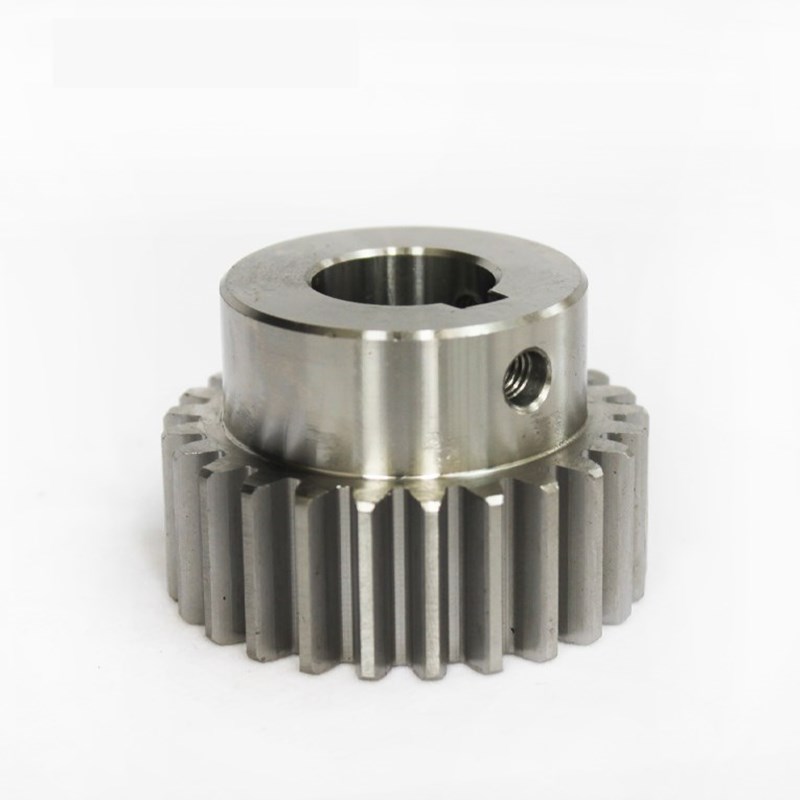
A New Era of High-Performance Gear Materials: How Gearseiko Drives Innovation in Precision Transmission | Gearseiko
As gear transmission systems evolve toward higher load capacity, faster operating speeds and longer service life, material performance has become a key bottleneck restricting equipment reliability and cost efficiency. Specializing in high-precision gear manufacturing, Gearseiko stays at the forefront of material science and processing technology. We strive to deliver lighter, stronger and more durable gear solutions to clients worldwide. This article analyzes major development trends of advanced gear materials and introduces how Gearseiko converts cutting-edge technologies into tangible product advantages.Explore custom high-performance gear material solutions from Gearseiko.
1. Composition Optimization & Purity Control: Full Upgrade of Gear Steels
Conventional gear steels commonly suffer from surface oxidation during carburizing, unstable hardenability and sensitivity to inclusions. Modern gear material development focuses on precise regulation of alloy elements: we cut down components that accelerate oxidation of the carburized layer and add elements to inhibit oxidation.
Gearseiko adopts advanced computer-aided composition monitoring systems to adjust chemical ingredients for each furnace batch in real time, achieving narrow hardenability bands. This ensures highly consistent hardened layer depth across all batches, effectively lowering transmission noise and preventing premature component failure.
Meanwhile, low-oxygen gear steels greatly enhance material cleanliness. Relevant tests prove that reducing oxygen content by 10 ppm can boost contact fatigue life by over 30%. We prioritize vacuum degassed and electroslag remelted steels with ultra-low oxygen content (≤10 ppm), which suppress fatigue crack initiation caused by oxide inclusions. Our precision gears deliver outstanding performance in high-reliability scenarios including wind power, aerospace and racing applications.
2. Balance Machinability and Toughness: Optimize Processing & Service Performance
Against the backdrop of automated high-speed gear machining, good machinability plays a vital role in cutting production costs. Traditional sulfur-based free-cutting steels improve machining efficiency yet lead to irregular sulfide structures and weakened impact toughness.
Gearseiko widely applies multi-component free-cutting steels treated with sulfur-calcium-rare earth elements. These materials form spindle-shaped or globular sulfides, featuring excellent chip removal performance and machinability while minimizing damage to matrix strength.
For heavy-load and impact-resistant gears used in construction machinery transmissions, high toughness of the carburized layer is indispensable. We optimize steel grades by limiting sulfur and phosphorus impurities, increasing nickel and molybdenum content, and adopting ultra-low / low-carbon martensitic steels. The finished carburized layer maintains high hardness and strong crack propagation resistance. Even under contact stress exceeding 1500 MPa, our gears remain resistant to pitting and spalling.
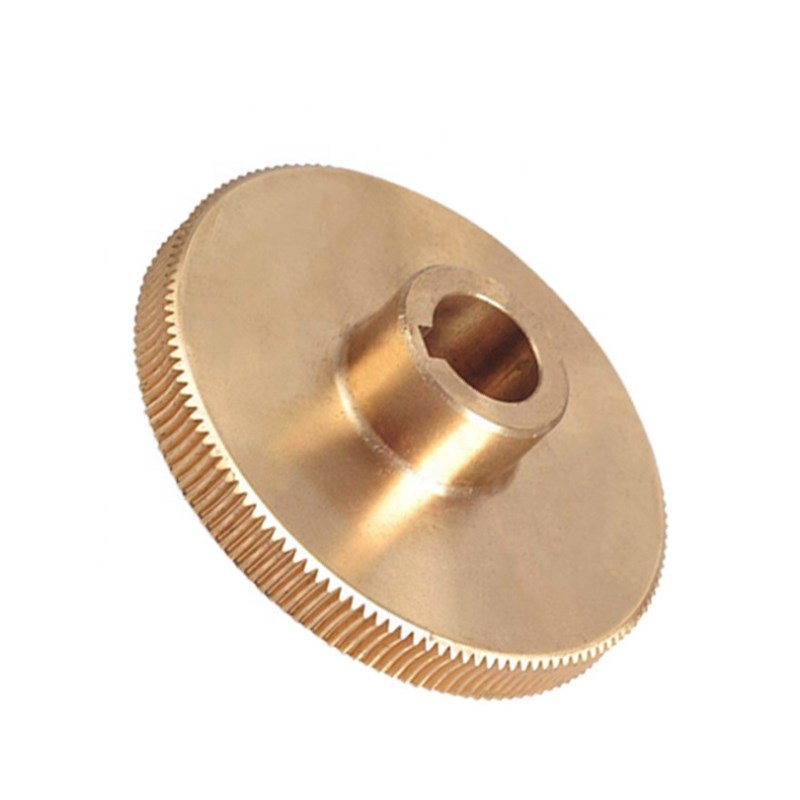
3. Near-Net Shape & Lightweight Design: Popularization of Precision Forging & Composite Materials
To reduce material waste and raise productivity, precision forging and cold extrusion have become mainstream processes for high-end gear production. Gearseiko launches multi-station cold & warm precision forging lines, combined with finite element simulation to optimize preform design. Gear teeth can be fully formed with only minimal grinding allowance left. This technology saves over 30% of raw materials, and the continuous metal flow lines improve tooth root bending fatigue strength by more than 20%.
In lightweight development, traditional ferrous metals face competition from metal matrix composites and advanced ductile iron. Particle-reinforced aluminum matrix composites and carbon fiber composites have been applied to aerospace gears, with specific strength 2 to 3 times higher than premium alloy steels. Cooperating with material research institutions, Gearseiko has successfully trial-produced carbon fiber reinforced epoxy composite gears for robot joint drives. The new material cuts component weight by 60%, perfectly meeting requirements for low inertial mass.
4. Austempered Ductile Iron (ADI): Ideal Choice for Cost & Performance Balance
Austempered Ductile Iron (ADI) is a high-value material worthy of attention. Cast iron was once excluded from high-end gear design due to its perceived brittleness. After austempering treatment, ADI achieves tensile strength over 1600 MPa while retaining superior ductility and vibration damping capacity. Its damping performance is 3 to 5 times that of steel, and spheroidal graphite creates a self-lubricating effect to reduce tooth surface friction and operating noise. In addition, manufacturing gears with ADI lowers overall costs by around 30% compared with forged steel.
Gearseiko has applied ADI to oil pump gears, camshaft gears and partial differential gears. Field operation data shows ADI gears deliver wear resistance and contact fatigue life comparable to case-hardened alloy steels, with lower density and better noise reduction. They are highly suitable for electric vehicle powertrains which have strict requirements on noise control.
5. New Carburizing Steel 17Cr2Mn2TiH: Benchmark for High Cost-Effectiveness
Developed based on classic 20CrMnTi gear steel, the new-generation carburizing steel 17Cr2Mn2TiH realizes notable improvements in strength and toughness via optimized carbon, chromium and manganese content. Moderate carbon reduction and increased Mn/C ratio give full play to manganese’s solid-solution strengthening effect. Titanium elements form carbonitrides and titanium sulfides to refine grain structure and enhance ductility.
Gearseiko adopts this material to manufacture drive pinions and ring gears for heavy-duty trucks. It features stable and controllable hardenability (J9 = 39–42 HRC, J15 = 35–41 HRC), about 15% lower material cost than conventional grades, and over 25% higher tooth root impact toughness.
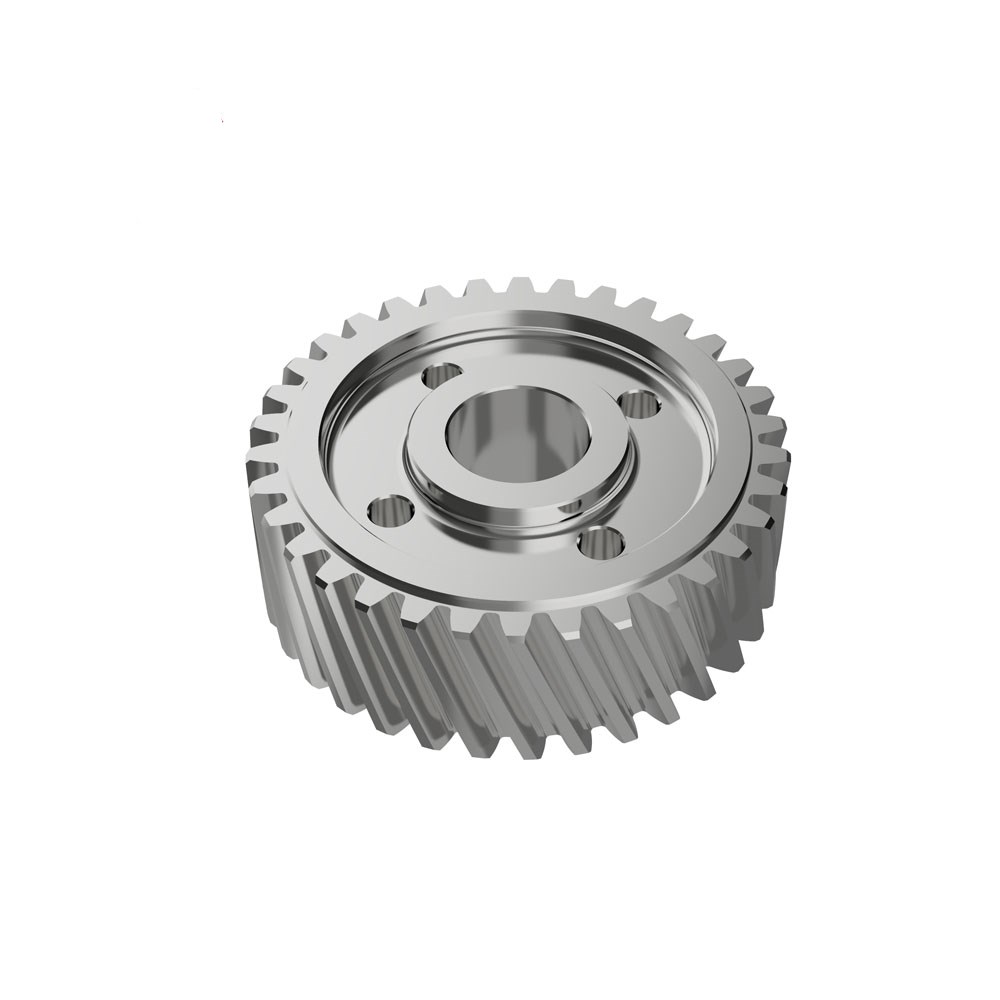
Gearseiko’s Technical Philosophy
We have built a complete industrial system covering material selection, molten steel monitoring, precision forming and controlled-atmosphere heat treatment. We believe there is no universal best material, but always the most appropriate material for specific working conditions. Whether you need ultra-clean low-oxygen steel for extended service life, cost-effective ADI, or innovative composite gears, we can deliver customized solutions tailored to your application scenarios.
If you are seeking a reliable partner to upgrade gear performance and reduce full-lifecycle costs, feel free to contact us. Let’s jointly drive precision transmission technology into a new era powered by advanced materials.
Gearseiko – Precision Gears, Forged from the Ultimate Pursuit of Materials
FAQ: High-Performance Gear Materials & Applications
Q1: What are the core advantages of low-oxygen gear steel?
A1: Higher material cleanliness effectively restrains fatigue cracks and extends contact fatigue life by over 30%.
Q2: How do multi-component free-cutting steels balance machinability and toughness?
A2: They form regular globular sulfides, ensuring good cutting performance while protecting matrix impact toughness.
Q3: What benefits does precision forging bring to gears?
A3: It saves raw materials, optimizes metal flow lines and improves tooth root bending fatigue strength.
Q4: What are the features and application scenarios of ADI?
A4: ADI has high strength, excellent vibration damping and self-lubricating properties with lower cost; ideal for new energy vehicle powertrain gears.
Q5: What are the strengths of 17Cr2Mn2TiH carburizing steel?
A5: Stable hardenability, higher toughness and about 15% lower cost than traditional gear steels.
Precision Forming Technologies for High Performance Drives
How Gearseiko Elevates Precision Gear Performance
Related Article