How Gearseiko Delivers Extreme Performance for High End Precision Gears
author: Cash
2026-05-30
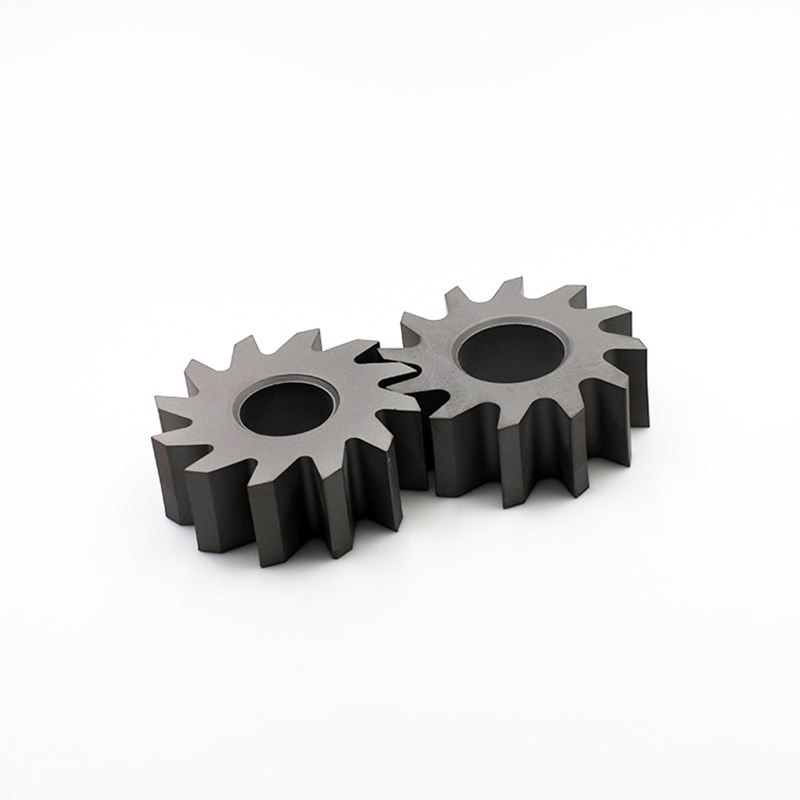
Laser Surface Hardening: How Gearseiko Delivers Extreme Performance for High-End Precision Gears | Gearseiko
In the high-end precision drive sector, gear surface hardness, wear resistance and fatigue life are decisive factors for overall equipment reliability. Featuring an ultra-narrow heat-affected zone, controllable distortion and outstanding machining flexibility, laser surface hardening has become a core competitive technology in gear manufacturing. As a professional manufacturer of high-end precision gears, Gearseiko has fully mastered the core theories of laser surface hardening. We focus particularly on how workpiece materials and initial microstructures influence final processing results. This article shares our material science expertise, explaining how proper pre-treatment and material selection help create optimal hardened layers and extend gear service life.Explore professional laser hardening solutions and high-performance precision gears at Gearseiko.
Materials Suitable for Laser Hardening: All Grades with Martensitic Transformation
The working principle of laser surface hardening is straightforward: a high-energy laser beam rapidly heats steel surfaces above the austenitizing temperature. The workpiece itself acts as a heat sink to complete self-quenching, forming a stable martensitic hardened structure. In short, any material capable of martensitic transformation is compatible with this process.
In daily production, Gearseiko applies laser hardening to nearly all mainstream steels and cast irons for gear production:
- Structural steels: Including plain carbon steels (20#, 30#–60#) and alloy steels (16Mn, 20CrMnTi, 40Cr, 42CrMo, 50CrNi), widely used for gear shafts and transmission gears.
- Bearing steels: GCr6, GCr9, GCr15, GCr15SiMn and more. Laser hardening further enhances contact fatigue resistance of raceway surfaces.
- Spring steels: 65Mn, 55Si2Mn, 50CrVA, ideal for thin-section gears and special tooth profiles requiring both high elasticity and wear resistance.
- Tool steels: T-series carbon tool steels, CrWMn, Cr12MoV, high-speed steel W18Cr4V, suited for die gears and components demanding ultra-high hardness.
- Stainless steels: 20Cr13, 40Cr13, 95Cr18, delivering combined corrosion resistance and wear resistance for gears used in food and chemical industries.
- Ductile iron: QT400‑17 to QT900‑2. Laser hardening prevents graphite spalling on surfaces and greatly improves tooth flank strength.
- Gray cast iron: HT200 to HT350, applied for local strengthening of large, low-speed and heavy-load gears.
- Malleable cast iron: KTH300‑06 to KTZ700‑02, balancing excellent toughness and surface hardness.
- Compacted graphite iron: RuT260 to RuT420, reliable for gears working under high thermal load in gearboxes.
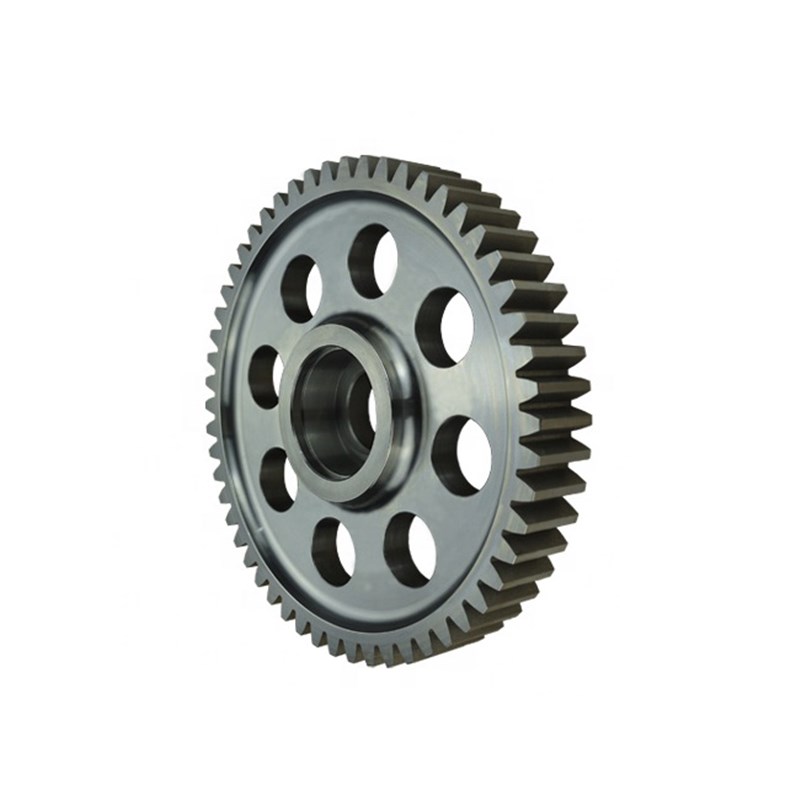
We tailor matched laser hardening parameters according to material composition and actual application requirements for all above materials.
Workpiece Initial State: The Foundation of Qualified Laser Hardening
Laser hardening is highly sensitive to the initial state of workpieces. Every gear at Gearseiko undergoes strict pre-treatment inspection before processing:
- Surface cleanliness: Surfaces must be completely free of oil, rust, scale and burrs. Oil residue absorbs laser energy and causes melting pits; rust and scale hinder uniform heat conduction. We adopt ultrasonic cleaning plus anti-rust treatment to achieve mirror-level surface cleanliness.
- Initial microstructure: A uniform and fine grain structure is required. Coarse pearlite or banded segregation will lead to uneven hardness after hardening, and even trigger micro-cracks.
For this reason, we customize pre-heat treatment solutions including annealing, normalizing, quenching & tempering for each batch of gears based on material type and performance demands. This procedure directly determines the final quality of laser hardening.
Core Conclusion: Quenched & Tempered Base Material Achieves Maximum Hardened Depth
Summarized from long-term production data and our internal process database: Under identical laser hardening parameters, workpieces with quenched & tempered (Q&T) microstructure obtain the deepest hardened layer and highest surface hardness. Annealed workpieces deliver the shallowest case depth and lowest hardness, while normalized materials sit in the middle.
This finding provides important guidance for gear design. If clients require a hardened layer over 0.5 mm and tooth flank hardness no lower than HRC 58, we strongly recommend performing laser hardening on quenched & tempered workpieces, rather than raw or annealed blanks. The fine tempered sorbite in Q&T structures transforms into austenite evenly under rapid laser heating, and fully converts into fine needle martensite after self-quenching.
On the contrary, coarse lamellar pearlite in annealed materials needs higher laser power density or slower scanning speed to reach the same hardness and depth, which brings risks of overheating at tooth tips.
When receiving gear blanks or semi-finished products, we will actively communicate with customers about pre-treatment status. For workpieces without standard Q&T treatment, we provide one-stop services combining precision quenching & tempering and laser hardening, to fully meet targets on case depth and hardness.
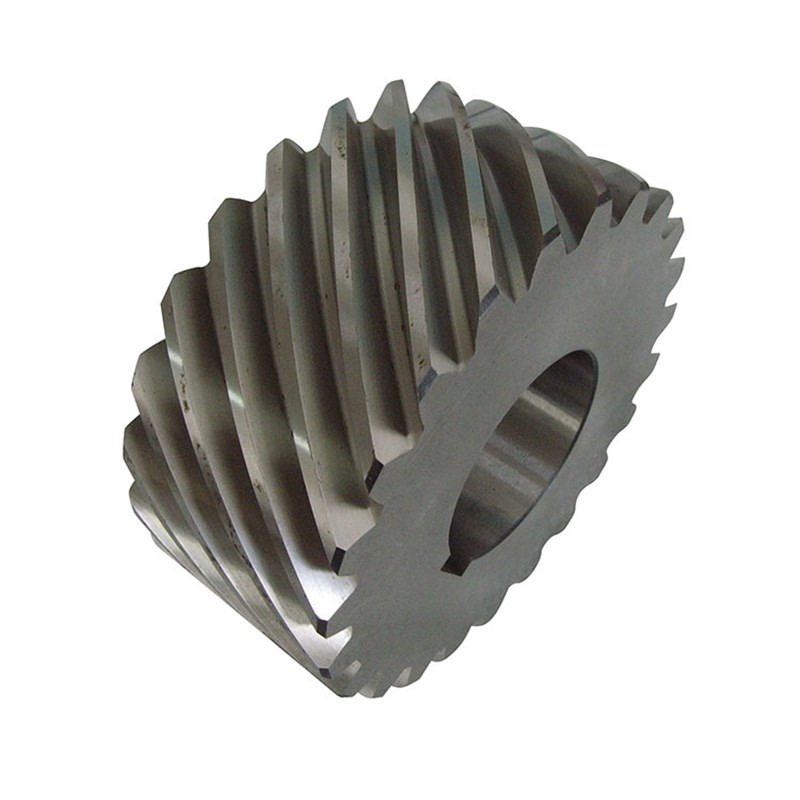
Gearseiko’s Full-Process Quality Control
As a professional manufacturer of high-end precision gears, we are equipped with advanced laser hardening equipment, covering gear modules from 0.5 mm to 20 mm. We have also built a complete technical system integrating material analysis, pre-treatment and laser processing. We master the phase transformation characteristics of various steels under laser irradiation, and precisely adjust laser spot size, scanning speed and power density to control hardened depth and surface hardness, while fully retaining core toughness.
Our laser-hardened products are widely used in automotive transmission gears, RV reducer gears for industrial robots, wind turbine pitch gears and aerospace transmission gears. The technology effectively improves gear wear resistance, pitting resistance and scuffing resistance.
If you need gears that maintain stable performance under harsh working conditions, feel free to contact our technical team. We provide free laser hardening sample tests and deliver complete reports covering hardened case depth and hardness distribution. Choose Gearseiko, and you get gears supported by top-tier precision, reliability and professional material science.
Gearseiko – Laser Hardening Expert for Precision Gears. Redefining hardness and toughness with every laser beam.
FAQ: Laser Surface Hardening & Material Matching
Q1: What materials are applicable to laser surface hardening?
A1: All materials that can realize martensitic transformation, including various structural steels, bearing steels, cast irons, stainless steels and tool steels for gears.
Q2: What pre-treatment requirements does laser hardening have for workpieces?
A2: Workpiece surfaces must be clean without oil, rust or burrs; the internal microstructure needs to be uniform and fine.
Q3: Which initial state of workpiece gains the best laser hardening effect?
A3: Workpieces with quenched & tempered microstructure achieve the maximum hardened depth and surface hardness under the same parameters.
Q4: Why is pre-heat treatment so important for laser hardening?
A4: Unqualified initial microstructure will cause uneven hardness or micro-cracks. Proper pre-treatment ensures stable and ideal hardening results.
Q5: What services can Gearseiko provide for laser hardening?
A5: We offer one-stop solutions including pre-heat treatment, laser hardening, sample testing and professional hardness & case depth inspection reports.
How Gearseiko Defines High-End Manufacturing with Rigorous Processes
How Gearseiko Redefines Hardness and Durability of Precision Gears
Related Article