How Gearseiko Defines High-End Manufacturing with Rigorous Processes
author: Cash
2026-05-30
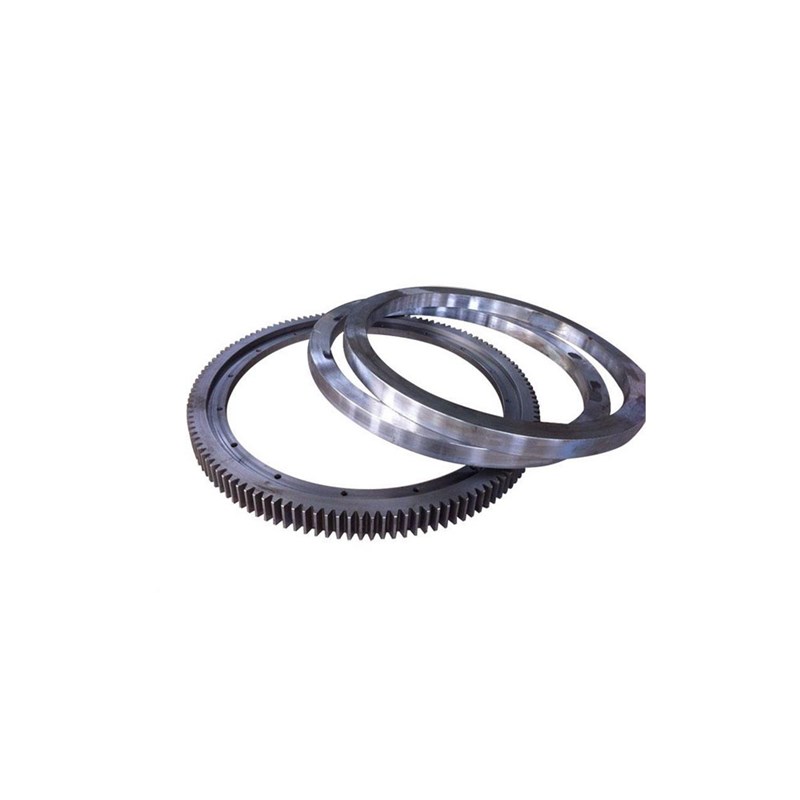
Precision Gear Laser Surface Hardening: How Gearseiko Defines High-End Manufacturing with Rigorous Processes | Gearseiko
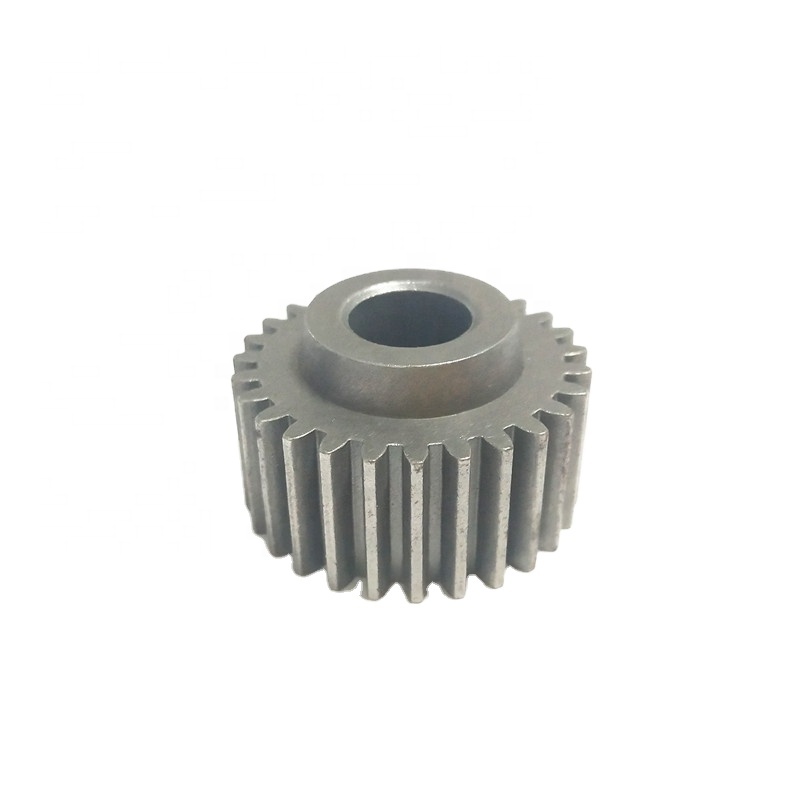
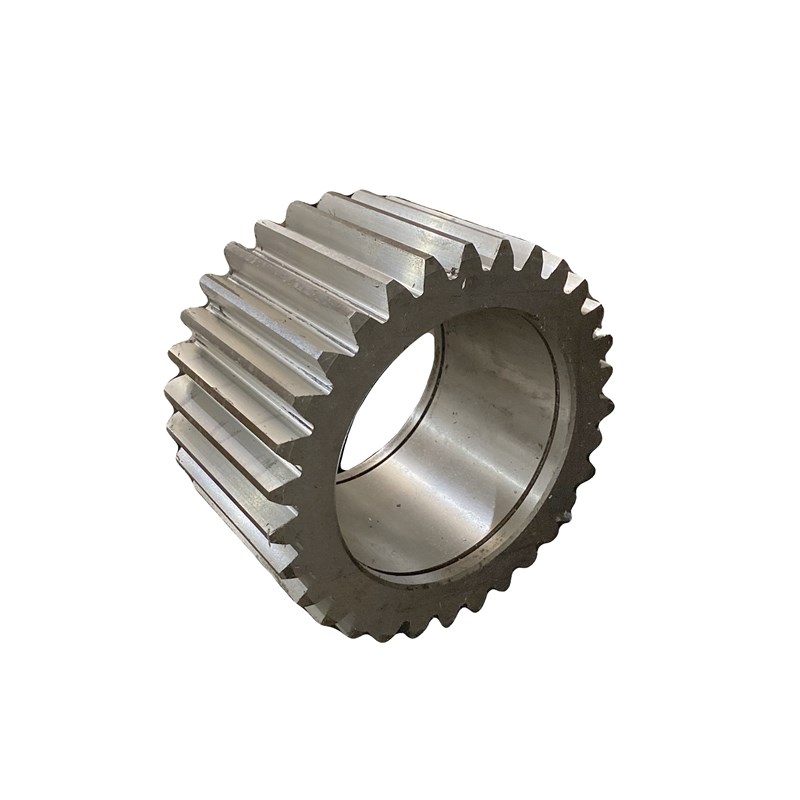
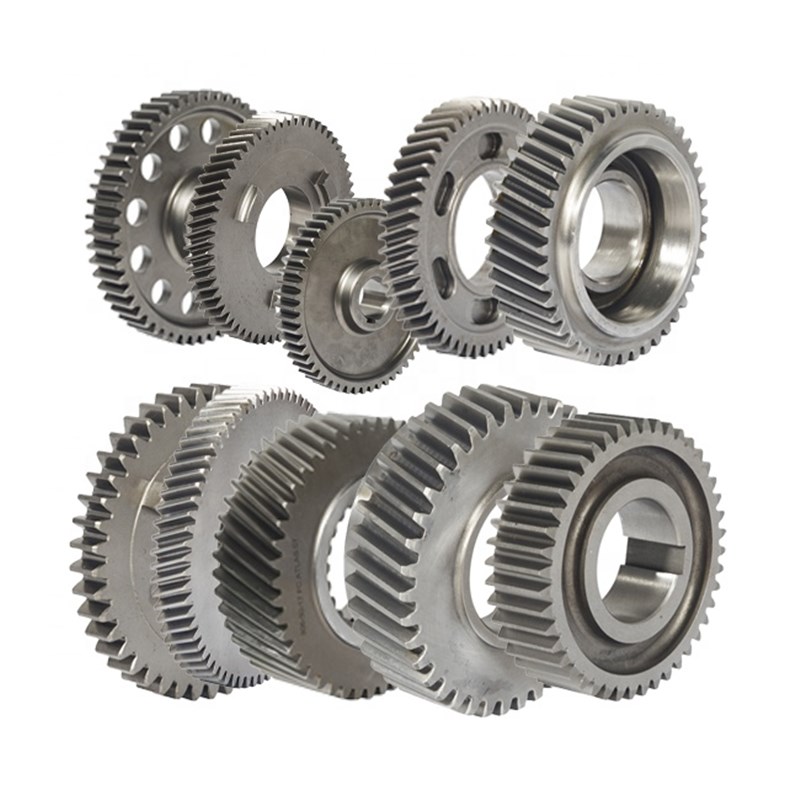
For high-end precision gear manufacturing, surface hardening is indispensable to boost wear resistance and extend fatigue life. Laser surface hardening stands out for its small heat-affected zone, controllable distortion and exceptional precision, and has become a standard process for premium gear production. As a professional manufacturer of high-end precision gears, Gearseiko has built a full-process technical system for laser surface hardening, covering equipment configuration and standardized operating rules. This guarantees stable and reliable performance of every gear even under harsh working conditions.Learn more about standardized laser hardening processes and quality-assured precision gears at Gearseiko.
1. Core Requirements for Laser Equipment: High Precision & Long-Term Stability
Gearseiko’s laser surface hardening system consists of four core components: laser generator, beam transmission and focusing system, laser processing machine and auxiliary devices. We set strict technical standards for every part.
1.1 Laser Selection & Real-Time Monitoring
We adopt both CO₂ lasers and YAG lasers. The output power, beam mode, scanning speed and spot size are fully matched to the technical requirements of different gears. Power stability is our top priority, since power fluctuation will directly change the depth and uniformity of the hardened layer. All laser devices are fitted with power monitoring units and calibrated on a regular basis.
In terms of beam mode, multi-mode CO₂ lasers are preferred, or beam shaping technology is applied to achieve even energy distribution. For YAG lasers, continuous output function is mandatory to support continuous scanning and hardening on complex surfaces such as gear tooth flanks.
1.2 Beam Transmission and Focusing System
This system is composed of shutter, coaxial visible aiming device, beam transmission and steering parts, as well as focusing optics (equipped with beam expanders when necessary). All focusing heads are integrated with protective gas supply and water cooling systems. These designs prevent lens contamination and overheating, maintaining stable long-term operation.
1.3 Laser Processing Machine
We deploy 2D machines, multi-axis automatic equipment and CNC machine tools according to gear shapes and dimensions. These machines can realize precise hardening on tooth flanks, tooth roots, shaft journals and other key areas. Motion accuracy and repeat positioning accuracy are strictly calibrated to ensure the laser path is completely consistent with the gear’s theoretical model.
1.4 Auxiliary Devices: Operational Safety & Accurate Beam Alignment
- Shielding devices: Full or semi-enclosed protective enclosures are installed around processing areas to shield operators from direct, reflected and scattered laser radiation.
- Beam alignment devices: He-Ne red laser and other visible positioning systems are used to mark scanning paths accurately on gear surfaces and ensure hardening positions are error-free.

2. Surface Pretreatment: Balance Laser Absorption and Process Reliability
Metal gear surfaces feature high reflectivity to laser energy. Without proper pretreatment, most laser energy will be reflected and effective hardening cannot be realized. Gearseiko mainly applies phosphating treatment or special absorption coatings to form high-absorption layers. Our pretreatment solutions comply with eight strict criteria:
- High absorption rate: Raise laser absorption rate to over 80%.
- Good thermal conductivity & adhesion: The coating conducts heat efficiently and bonds firmly to the gear substrate.
- Chemical stability: No negative impact on the composition and microstructure of the hardened layer.
- Anti-cracking performance: Avoid inducing microcracks on gear surfaces.
- Easy & uniform application: Mature construction technology with precise control over coating thickness uniformity.
- Rust resistance & non-corrosiveness: Provide basic anti-rust protection without corroding tooth surfaces.
- Convenient post-processing: The coating can be removed easily or reserved for direct assembly after hardening.
- Environmental friendliness: Raw materials are non-toxic, non-irritating and pollution-free, suitable for long-term storage.
Whether using phosphating or absorption coating, the entire area to be hardened must be fully covered with uniform thickness. Products with incomplete coating or uneven thickness are deemed unqualified and will not enter the laser hardening procedure.

3. Gearseiko’s Quality Commitment: Reliable Gears for Demanding Applications
At Gearseiko, laser surface hardening is a standard procedure rather than an optional extra for high-end precision gear manufacturing. We have formulated complete operating specifications and inspection standards, covering laser power monitoring, beam mode control and pretreatment coating management. Every batch of finished gears will undergo strict tests on hardness, case depth and microstructure to ensure performance meets design requirements.
Partnering with Gearseiko means you choose a manufacturer that has realized standardized, process-oriented and traceable laser hardening production. We do not merely produce gears, but keep defining the reliability standards for precision gears used in high-load, high-speed and long-service scenarios.
Feel free to contact Gearseiko to get more technical details and application cases of laser-hardened gears.
Gearseiko – Precision gears, hardened by laser.
FAQ: Precision Gear Laser Surface Hardening Process
Q1: What main components make up Gearseiko’s laser hardening system?
A1: It includes laser generator, beam transmission & focusing system, laser processing machine and supporting auxiliary devices.
Q2: Why is laser power stability so important?
A2: Power fluctuation will change the depth and uniformity of the hardened layer, affecting overall processing quality.
Q3: What pretreatment methods are adopted for gear surfaces?
A3: We use phosphating treatment or special laser absorption coatings to improve energy absorption efficiency.
Q4: What core requirements must the surface coating meet?
A4: High laser absorption rate, good adhesion, chemical stability, uniform thickness, environmental safety and other comprehensive performance.
Q5: What final inspections are carried out after laser hardening?
A5: Each batch is tested for surface hardness, hardened case depth and internal microstructure.
How Gearseiko Defines High-End Manufacturing Standards Through Rigorous Inspection
How Gearseiko Delivers Extreme Performance for High End Precision Gears
Related Article