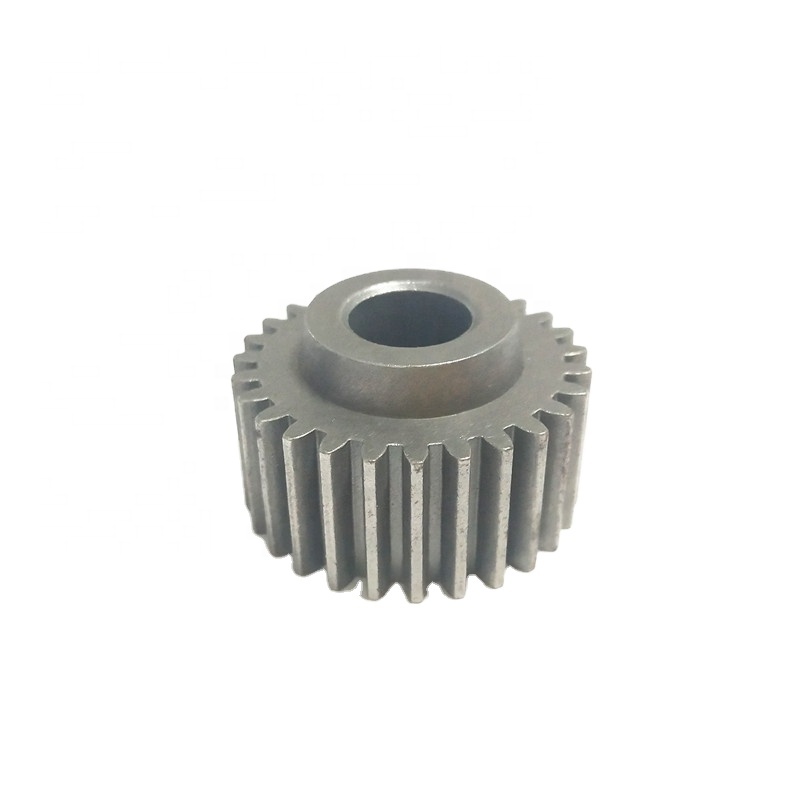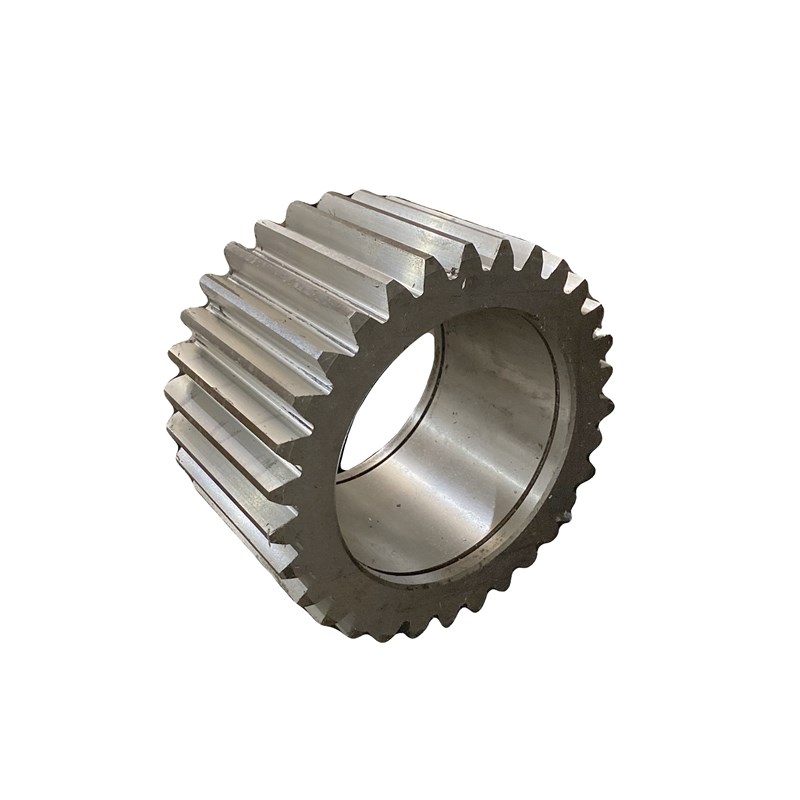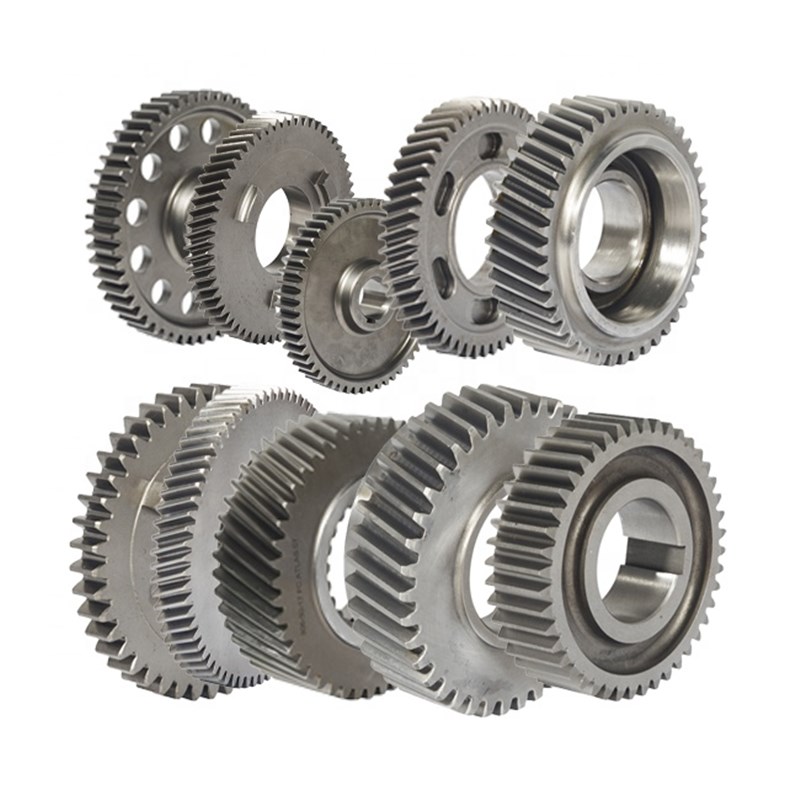
Analysis of Gear Load Characteristics and Influencing Factors of Load
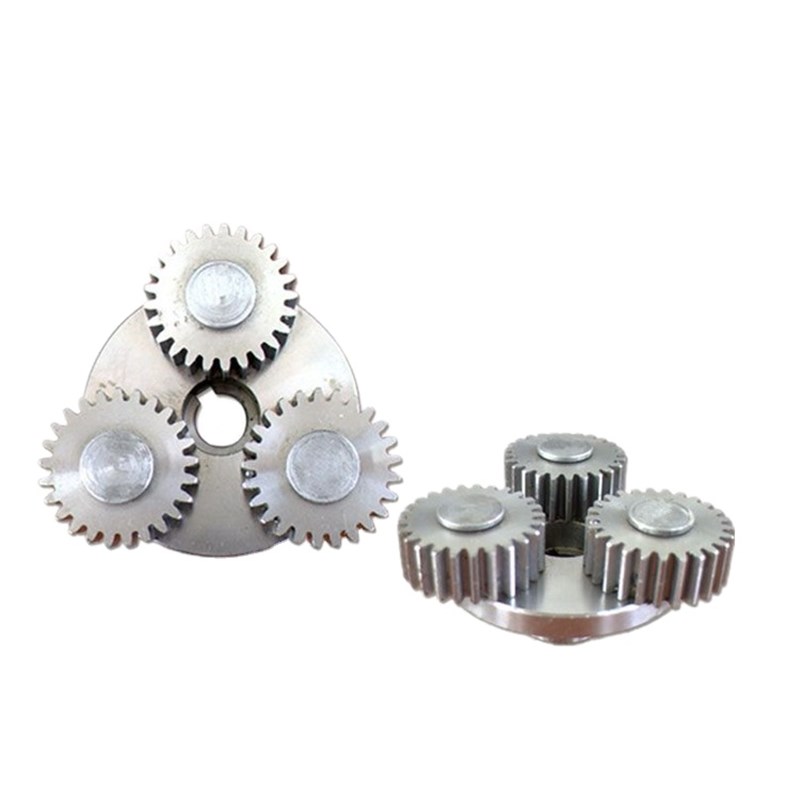
Gear Failure Analysis & Stress Calculation Criteria: Enhancing Reliability in High-Precision Gears
Introduction
Gears are the workhorses of modern machinery, transmitting motion and power through successive tooth engagements. However, their complex loading conditions make them prone to various failure modes. At Gearseiko, we specialize in manufacturing high-end precision gears, and understanding the root causes of gear failure is central to our design and quality assurance processes. In this article, we delve into the mechanics of gear tooth interaction, the critical role of stress calculation, and the key load factors that influence gear durability.
Rolling vs. Sliding: The Dual Nature of Tooth Contact
During meshing, gear teeth experience both rolling and sliding actions. Rolling promotes the formation of a dynamic oil film, resulting in minimal wear. Sliding, on the other hand, generates friction and heat, which can lead to abrasive wear, scuffing, or even scoring. The balance between rolling and sliding varies along the tooth profile. At the pitch line, only rolling occurs. At the tooth tip, rolling and sliding act in the same direction, while at the tooth root, they oppose each other. This opposing action induces higher surface stresses, which is why contact fatigue failures—such as pitting—most often initiate near the root area.
Lubrication Challenges in Involute Gears
Unlike journal bearings that maintain a continuous oil film, gear teeth must re-establish a lubricant film with every mesh cycle, making the lubrication regime inherently intermittent. Additionally, the induced radius of curvature in involute gears is relatively small, which weakens the oil-wedge formation. As a result, even with high-quality lubricants, the risk of boundary or mixed lubrication conditions is significant, especially under heavy loads or low speeds. At Gearseiko, we mitigate these challenges through advanced surface finishing and optimized lubricant selection, ensuring that our gears perform reliably across diverse operating conditions.
Load as the Primary Driver of Gear Failure
External and internal dynamic loads are direct contributors to gear failure. Analyzing these loads is not only crucial for failure diagnosis but also for implementing preventive measures and reliability improvements. The following load-related factors must be carefully evaluated during gear design and stress calculation:
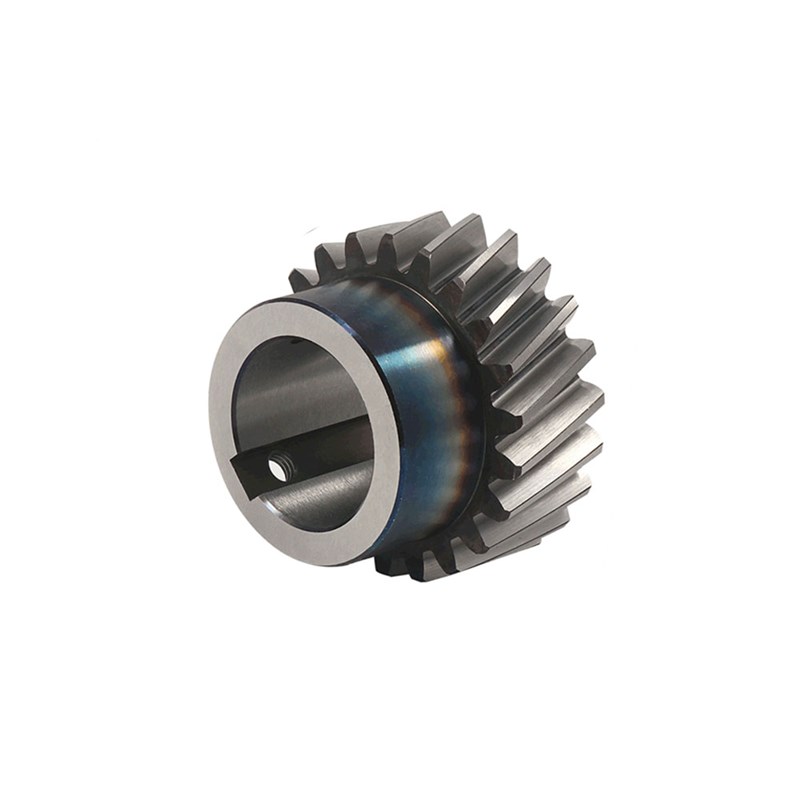
1. External Dynamic Loads
These originate from the driving and driven machinery, including the characteristics of prime movers (e.g., electric motors, engines), the mass and stiffness of shafts and couplings, and transient operating states such as start-up, shutdown, or load fluctuations. Ignoring external dynamics can lead to unexpected overloads and premature fatigue.
2. Internal Dynamic Loads
Manufacturing precision and operational speed significantly affect internal excitation. Key elements include:
-
Transmission errors caused by base pitch deviations and profile errors.
-
Pitch line velocity, inertia, and stiffness of rotating components.
-
Variation of tooth meshing stiffness throughout the engagement cycle.
-
Running-in effects, lubricant properties, bearing and housing stiffness, and rotor balancing accuracy.
At Gearseiko, we employ ultra-precision machining and strict quality control to minimize these internal loads, ensuring smooth and quiet gear operation.
3. Non‑Uniform Load Distribution Along Face Width
In real-world conditions, load is rarely evenly distributed across the tooth face. This unevenness directly affects contact stress and can accelerate pitting or tooth breakage. Major influencing factors include:
-
Contact precision (gear manufacturing errors, housing bore misalignment, bearing clearances, shaft parallelism).
-
Tooth stiffness, gear dimensions, and support configurations.
-
Deformations of teeth, shafts, bearings, and housing (thermal expansion and deflection are particularly critical for high-speed, wide-face gears).
-
Axial and tangential loads, as well as additional loads from adjacent components.
-
Presence or absence of deformation compensation measures in the design.
Gearseiko addresses these challenges by using advanced simulation tools to optimize micro‑geometry (crowning, end relief) and by selecting robust housing designs that maintain alignment under load.
4. Tooth Stiffness and Its Impact on Load Behavior
Tooth stiffness influences how load is shared among multiple teeth and how stresses are distributed. Key parameters affecting stiffness include:
-
Gear macro‑geometry: number of teeth, basic rack profile, addendum modification, helix angle, and transverse contact ratio.
-
Wheel structure: rim thickness, web thickness, and hub connection type.
-
Load per unit face width, surface roughness and waviness, lead error, and Young’s modulus of the gear material.
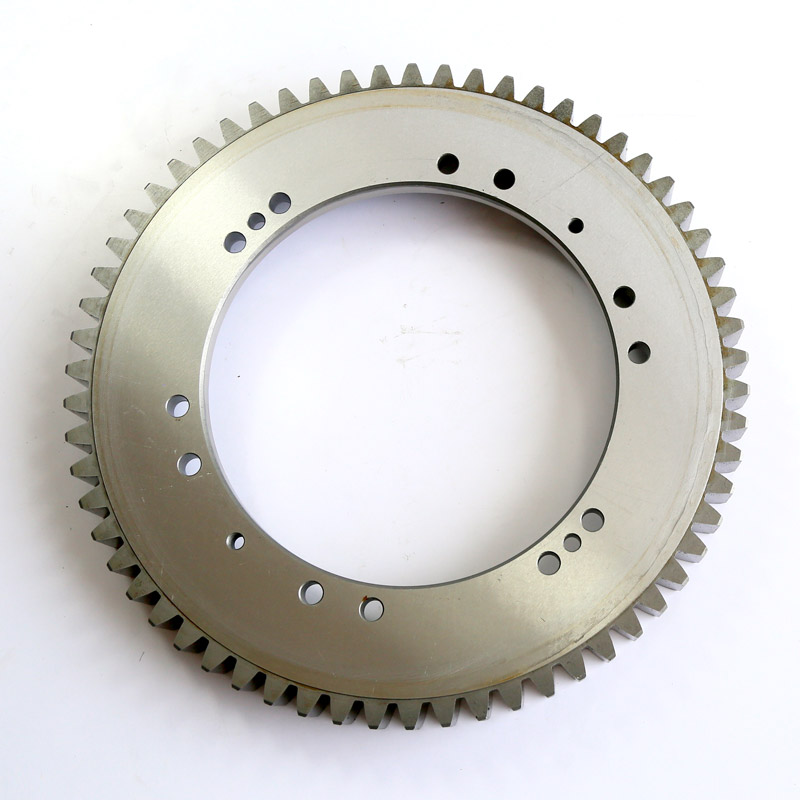
At Gearseiko, we perform detailed finite element analysis (FEA) to accurately model tooth stiffness and its variation during meshing. This allows us to predict stress concentrations and optimize gear geometry for maximum fatigue life.
Stress Calculation Criteria – The Gearseiko Approach
Proper stress calculation is the cornerstone of failure prevention. We adhere to international standards (ISO 6336, AGMA 2101) while supplementing them with in‑house validated methods. Our criteria include:
-
Hertzian contact stress analysis to prevent pitting and sub-surface fatigue.
-
Root bending stress calculation considering both geometric and dynamic factors.
-
Scuffing risk assessment based on flash temperature and oil film thickness.
-
Micro‑pitting and wear models that account for mixed lubrication regimes.
By integrating these criteria into our design workflow, Gearseiko ensures that every gear we produce meets the highest reliability standards—even under extreme loads and speeds.
Conclusion
Gear failure is rarely caused by a single factor; it is the result of complex interactions between rolling/sliding actions, lubrication breakdown, and various dynamic load influences. A thorough understanding of these mechanisms, combined with rigorous stress calculation criteria, enables engineers to design gears that resist pitting, scuffing, wear, and fracture.
At Gearseiko, we don’t just manufacture gears—we engineer reliability. From precision tooth finishing to advanced load analysis, every step of our process is optimized to deliver gears that perform flawlessly in demanding applications. Contact us today to learn how our expertise in failure analysis and stress calculation can enhance your power transmission systems.
Gearseiko – Precision in Motion, Reliability in Engineering
Analysis of Gear Failure Mechanism
Gear Failure Analysis and Stress Calculation Criteria
Related Article