2026 Gear Failure Analysis and Stress Calculation Criteria How Gearseiko Enhances Reliability and Service Life of High-Precision Gears
author: Cash
2026-05-04

2026 Gear Failure Analysis and Stress Calculation Criteria: How Gearseiko Enhances Reliability and Service Life of High-Precision Gears | Gearseiko
In modern industrial systems, gear transmission is at the heart of mechanical equipment. Statistics show that in developed countries, annual economic losses caused by mechanical structural failures account for approximately 5% to 10% of GDP. What is even more striking is that if existing failure prevention technologies were correctly applied, about half of these losses could be avoided.
As a factory specializing in high-end precision gears, Gearseiko understands the critical role of failure analysis in improving product quality, ensuring safe equipment operation, and reducing customers’ operating costs. Explore Gearseiko’s gear failure analysis and reliability enhancement solutions here.
Gear Failure Analysis: Preventing Problems at the Source
Gear transmission failure generally refers to the loss of design function or occurrence of structural damage during operation. For example, loss of machining accuracy due to gear wear in a machine tool, or tooth breakage in a reducer, are typical failure cases.
Through years of practical experience, Gearseiko has found that failure analysis is not only a necessary means to prevent recurring failures but also an important pathway to building high-quality branded products and upgrading product generations.
According to statistical analysis of 931 gear failure cases, the most common failure modes are bending fatigue failure and contact fatigue failure of gear teeth. These two failure modes impose critical limitations on gear load capacity, therefore corresponding strength calculation criteria must be established.
Stress Calculation Criteria: The Core of Scientific Gear Design
Stress calculation criteria are the foundation of scientific gear design, directly determining the reliability, load capacity, and service life of high-precision gears. Gearseiko formulates targeted calculation strategies based on different gear drive types, ensuring optimal performance under various operating conditions.
Closed Gear Drives: Dual Strength Criteria
For closed gear drives under general industrial conditions, Gearseiko strictly follows two parallel calculation criteria, which complement each other to ensure safe and reliable gear operation throughout the intended service life:
-
Tooth surface contact fatigue strength calculation – primarily to prevent contact fatigue failures such as pitting and spalling, which are common in high-speed, high-load closed gear systems.
-
Tooth root bending fatigue strength calculation – primarily to prevent tooth breakage from the root, a critical failure mode that can lead to complete gear system shutdown.
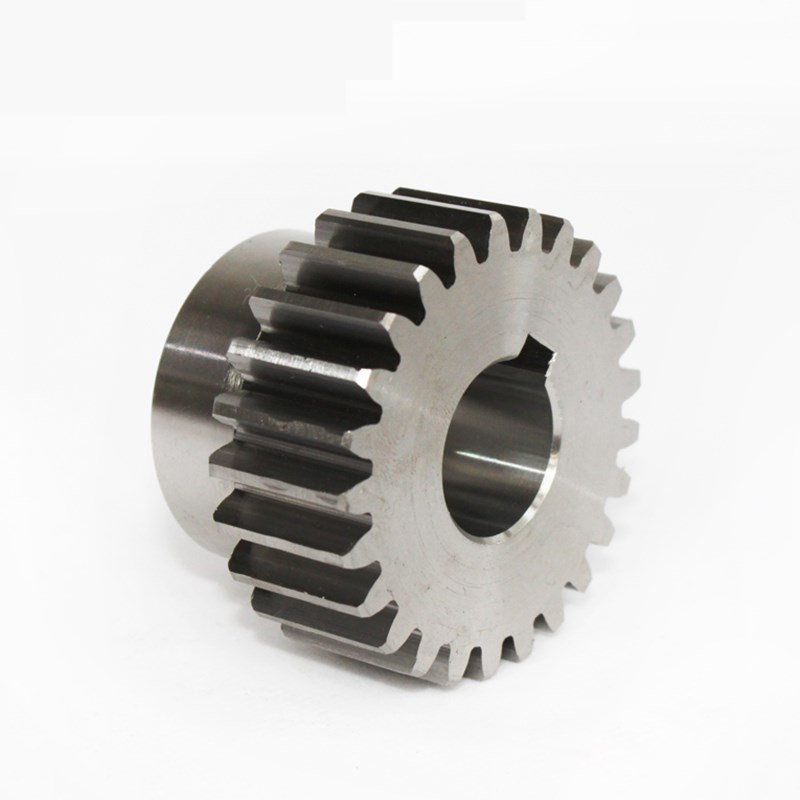
During the design phase, Gearseiko’s high-precision gears (including spur gears, helical gears, and custom non-standard gears) are analyzed using advanced finite element methods, combined with international standards such as ISO 6336 and AGMA, to accurately calculate tooth surface contact stress and tooth root bending stress distribution, thereby optimizing tooth geometry and material selection.
Open Gear Drives: Bending Strength as the Priority
For open gear drives, wear is the dominant failure mode. After wear occurs, tooth thickness decreases, load capacity diminishes, and eventual tooth breakage becomes likely. For such operating conditions, Gearseiko recommends calculation based on tooth root bending fatigue strength, with appropriate reduction of permissible stress to account for wear effects.
Additionally, for heavy-load, low-speed, or dust-intensive environments, we also recommend special surface treatments such as carburizing, quenching, and shot peening to significantly increase tooth surface hardness and wear resistance, extending gear service life.
Failure Modes Still Being Researched
It should be noted that for failure modes such as wear and plastic deformation of tooth surfaces, the industry has not yet developed fully mature calculation methods. Gearseiko continues to invest in R&D, collaborating with universities and research institutions to build more accurate failure prediction models.
Our goal is not only to meet current standards but also to drive technological progress in the industry, providing customers with more reliable gear solutions. Learn more about Gearseiko’s R&D-driven simulation and failure prediction capabilities here.
Gearseiko’s Value Commitment: Full-Lifecycle Reliability Assurance
As a professional manufacturer of high-end precision gears, Gearseiko integrates failure analysis throughout the entire process – from design, material selection, heat treatment, precision machining, to quality inspection. We firmly believe that learning from failures leads to success, and learning from the past leads to the future – every failure case is a valuable opportunity to improve product reliability.
Choosing Gearseiko means you will receive:
-
Precise stress calculations and design optimization based on international standards (ISO 6336, AGMA), ensuring gears meet the highest reliability requirements.
-
Customized solutions for different operating conditions (closed/open, high-speed/heavy-load, lubrication conditions, etc.), tailored to your specific application needs.
-
Full lifecycle failure prevention technical support, from pre-design consultation to post-installation maintenance.
-
Continuous technical feedback and product upgrades, driven by our R&D efforts and industry experience.
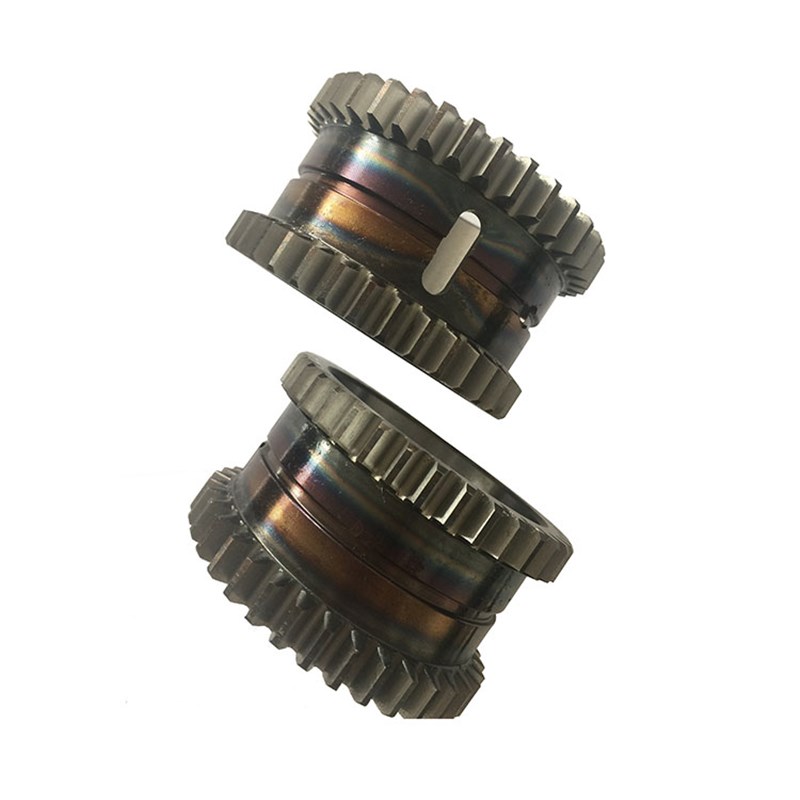
Under the production philosophy of “safety first, prevention oriented”, Gearseiko is committed to helping customers reduce unplanned downtime, lower maintenance costs, and extend equipment service life. Let us work together to promote sustainable industrial development with more reliable gear transmission technology.
FAQ: Gear Failure Analysis and Stress Calculation Criteria
Q1: What are the most common gear failure modes?
A1: According to Gearseiko’s statistical analysis of 931 failure cases, the most common failure modes are gear tooth bending fatigue failure and contact fatigue failure, which significantly limit gear load capacity.
Q2: What stress calculation criteria does Gearseiko follow for closed gear drives?
A2: We strictly adopt dual strength criteria: tooth surface contact fatigue strength calculation (to prevent pitting/spalling) and tooth root bending fatigue strength calculation (to prevent tooth breakage), combined with ISO 6336 and AGMA standards.
Q3: Why is bending strength the priority for open gear drives?
A3: Wear is the dominant failure mode for open gear drives; wear reduces tooth thickness and load capacity, eventually leading to tooth breakage. Calculating based on tooth root bending fatigue strength (with permissible stress reduction) ensures reliability.
Q4: How does Gearseiko address immature failure mode calculation methods (e.g., wear, plastic deformation)?
A4: We invest heavily in R&D, collaborate with universities and research institutions to build accurate failure prediction models, and continuously drive industry technological progress beyond existing standards.
Conclusion
Gear failure analysis and scientific stress calculation criteria are the core of enhancing high-precision gear reliability and service life. Gearseiko integrates these technologies throughout the full product lifecycle, from design to maintenance, adhering to international standards and customizing solutions for different operating conditions.
Our commitment to “safety first, prevention oriented” ensures that every gear we produce meets the highest standards of reliability, helping customers reduce economic losses and improve equipment operational efficiency.
For more technical details about Gearseiko high-precision gears or to obtain professional failure analysis consulting, visit our official website //www.gearseiko.com or contact our technical team.
Gearseiko – Precision Transmission, Ultimate Reliability.
2026 Preventing Tooth Bending Fatigue Fracture How Gearseiko Builds More Durable Precision Gears
2026 Precision Gear Reliability Engineering Practice of State Function and Limit State Equation
Related Article